What is the difference between viruses and bacteria?
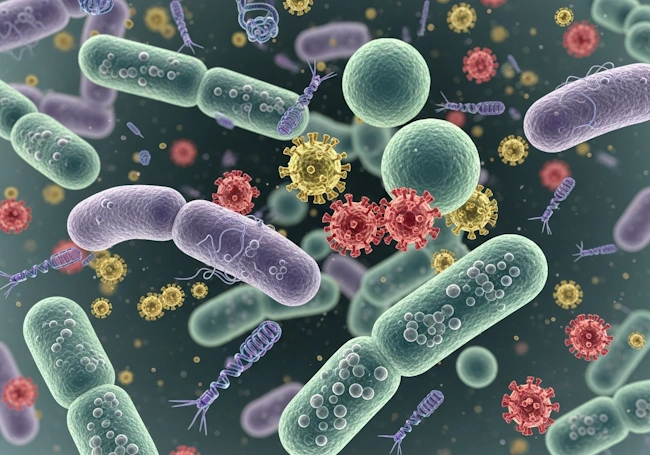
Imagine two tiny troublemakers so small that millions could fit on the period at the end of this sentence. Both can make you sick, both are invisible to your eyes, and both have been around for billions of years. But here’s the wild part: they’re as different from each other as a robot is from a living animal.
Let’s dive into the microscopic universe and meet these fascinating creatures!
The living vs. the not-quite-living
Here’s the first mind-blowing difference: bacteria are alive, but viruses… well, that’s complicated.
Bacteria are single-celled organisms that can eat, grow, reproduce, and respond to their environment—all the things we expect from living creatures. They’re like tiny, independent factories that can survive on their own. A bacterium can split itself in two to make copies, find food, produce waste, and even move around using whip-like tails called flagella.
Viruses, on the other hand, are more like microscopic pirates. They can’t eat, can’t grow, and can’t reproduce by themselves. They’re basically bits of genetic code wrapped in a protein shell, and they need to hijack living cells to make copies of themselves. Outside a host cell, a virus is just a lifeless particle drifting around. But once it finds a cell to invade? It turns that cell into a virus-making factory.
This is why scientists still debate whether viruses are truly “alive” or just really sophisticated molecular machines.
Size matters: the scale of small
If bacteria were the size of a tennis ball, most viruses would be smaller than a grain of sand.
Bacteria are typically 1-10 micrometers in size. You’d need about 25,000 bacteria lined up to reach one inch. Viruses are even tinier—usually 20-400 nanometers, making them 10 to 100 times smaller than bacteria. You’d need powerful electron microscopes to see viruses, while some larger bacteria can be spotted with regular light microscopes.
To put this in perspective: if you shrank down to the size of a bacterium, a virus would look like a small toy compared to you.
The anatomy of bacteria: a complete microscopic city
Bacteria might be single cells, but they’re remarkably complex organisms with specialized structures that help them survive in almost every environment on Earth—from boiling hot springs to frozen Antarctic ice.
The bacterial cell wall and membrane
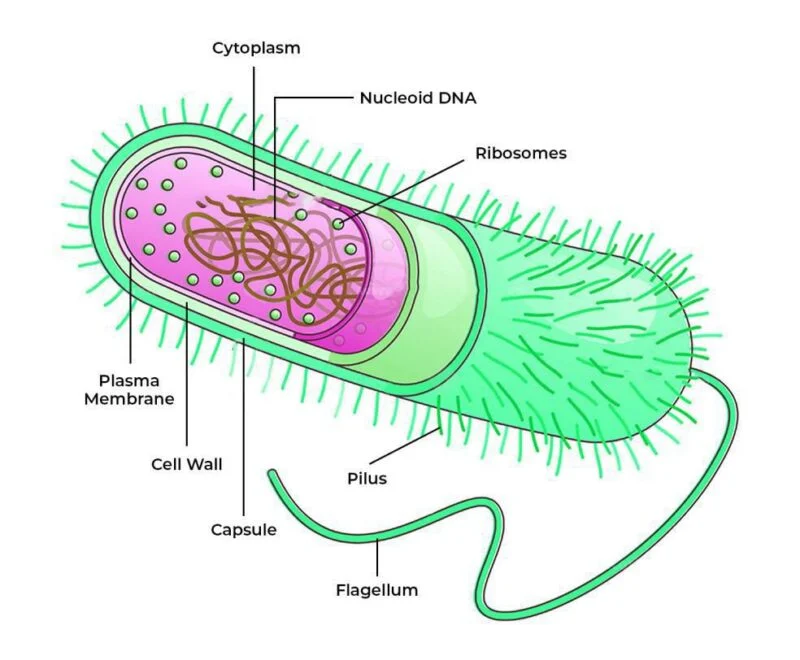
Every bacterium has a cell membrane, a thin barrier made of fats and proteins that controls what enters and exits the cell. Surrounding this is the cell wall, a rigid structure made of peptidoglycan (a mesh of sugars and amino acids) that gives the bacterium its shape and protects it like armor. This wall is so important that it’s the main target of many antibiotics.
Bacteria come in three basic shapes:
- Cocci (spherical) – like Streptococcus, which causes strep throat
- Bacilli (rod-shaped) – like E. coli and Salmonella
- Spirilla (spiral-shaped) – like the bacterium that causes Lyme disease
Inside the bacterial cell
Peek inside a bacterium, and you’ll find a bustling microscopic factory:
- The Nucleoid: Instead of a nucleus like our cells have, bacteria have a nucleoid—a region where their DNA floats freely as a single circular chromosome. This DNA contains all the instructions the bacterium needs to live and reproduce. Many bacteria also have small rings of extra DNA called plasmids, which can carry genes for antibiotic resistance or toxin production.
- Ribosomes: These tiny protein factories read the DNA instructions and assemble proteins the bacterium needs. Bacterial ribosomes are slightly different from ours, which is why some antibiotics can target them without harming human cells.
- Cytoplasm: This jelly-like substance fills the cell and contains water, enzymes, nutrients, and all the molecular machinery needed for life.
External structures for movement and attachment
Many bacteria have additional features on their outside:
- Flagella: These are like propellers—long, whip-like tails that rotate like motors to push bacteria through liquid environments. Some bacteria have one flagellum, others have several, and some have them all over their surface.
- Pili: These are short, hair-like projections that help bacteria stick to surfaces or exchange DNA with other bacteria (yes, bacteria can share genes with each other!).
- Capsule: Some bacteria have a slimy outer layer called a capsule that helps them evade the immune system and stick to surfaces. The bacteria that cause pneumonia use capsules to hide from white blood cells.
The anatomy of viruses: minimal but deadly efficient
Viruses are stripped down to the absolute basics—they’re like genetic missiles designed for one purpose: to replicate.
The viral core
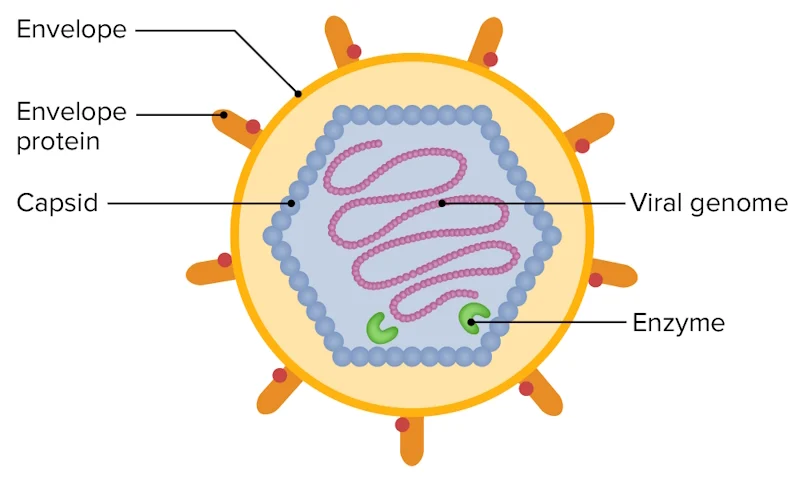
At the heart of every virus is its genetic material, which can be either DNA or RNA (never both). This contains the instructions for making new viruses. Some viruses, like the flu and HIV, use RNA. Others, like herpes and chickenpox viruses, use DNA.
The amount of genetic information viruses carry is shockingly small. While human DNA contains about 20,000 genes, some viruses have as few as 4 genes! They can get away with this because they hijack their host’s cellular machinery to do most of the work.
The capsid: protein armor
Surrounding the genetic material is the capsid, a shell made of protein subunits that fit together like a geometric puzzle. Capsids come in various shapes:
- Helical: Long, twisted structures like the tobacco mosaic virus
- Icosahedral: Twenty-sided shapes, like many cold viruses
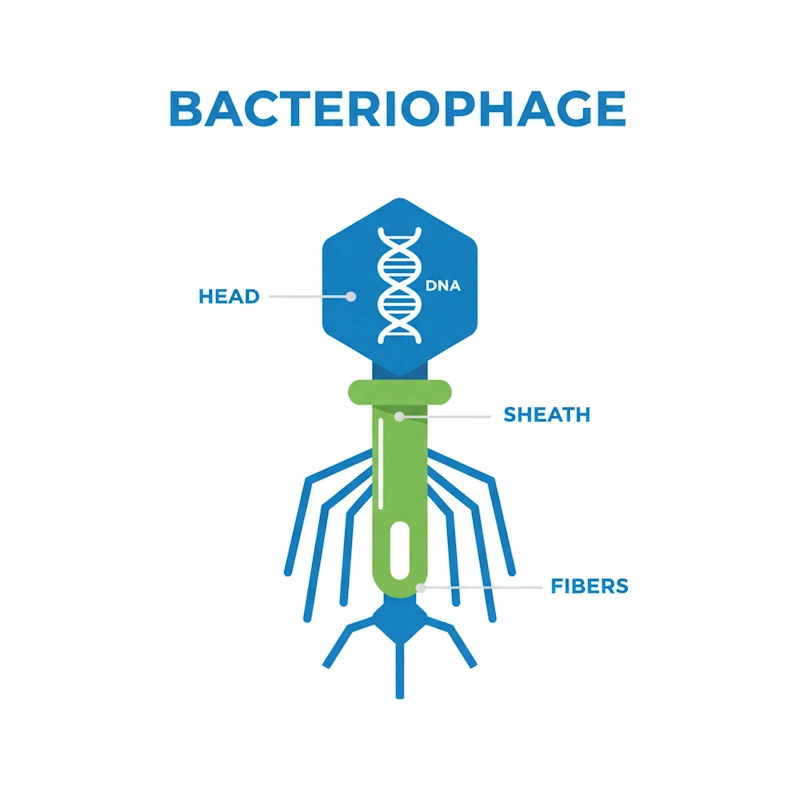
- Complex: Unusual structures, like bacteriophages that look like tiny lunar landers
The capsid’s job is to protect the genetic material and help the virus attach to host cells using specific proteins that fit into receptors on cell surfaces—like keys fitting into locks.
The envelope (Sometimes)
Some viruses have an additional outer layer called an envelope, which they steal from the membrane of cells they previously infected. This envelope is studded with protein spikes that help the virus recognize and invade new cells.
The flu virus, for example, has two important spike proteins:
- Hemagglutinin (H): Helps the virus attach to and enter cells
- Neuraminidase (N): Helps newly made viruses escape from infected cells
These proteins are why flu strains are named things like H1N1 or H3N2.
Enveloped viruses include HIV, influenza, herpes, and coronaviruses. Non-enveloped viruses include polio, adenoviruses, and many stomach bugs. This difference matters: enveloped viruses are often easier to destroy with soap and alcohol because their envelope is fragile, while non-enveloped viruses are tougher and more resistant to disinfectants.
Common bacterial diseases and how they attack
Bacteria cause disease through several clever strategies:
Toxin producers
Some bacteria produce powerful poisons:
- Clostridium botulinum produces botulinum toxin, one of the most lethal substances known. Found in improperly canned foods, it causes botulism by paralyzing muscles.
- Clostridium tetani causes tetanus (lockjaw), making muscles contract uncontrollably.
- Corynebacterium diphtheriae creates a toxin that damages the heart and nerves, causing diphtheria.
Tissue invaders
Other bacteria directly damage tissues:
- Streptococcus pyogenes causes strep throat, scarlet fever, and flesh-eating disease by releasing enzymes that destroy tissue.
- Mycobacterium tuberculosis causes tuberculosis, hiding inside lung cells and creating cavities in the lungs.
- Staphylococcus aureus causes skin infections, pneumonia, and food poisoning, and its antibiotic-resistant form (MRSA) is a major hospital problem.
Inflammation triggers
Some bacteria cause damage mainly by provoking your immune system:
- Helicobacter pylori burrows into the stomach lining, causing ulcers and potentially stomach cancer.
- Escherichia coli (most strains are harmless, but some produce toxins) can cause severe food poisoning with bloody diarrhea.
- Salmonella and Shigella invade intestinal cells, causing food poisoning and dysentery.
Other important bacterial diseases include pneumonia, meningitis, whooping cough, cholera, plague, Lyme disease, syphilis, and urinary tract infections.
Common viral diseases
Viruses have perfected the art of cellular invasion:
Respiratory viruses
- Influenza viruses attack respiratory cells, causing fever, body aches, and cough. The virus mutates so rapidly that new vaccines are needed annually.
- Rhinoviruses cause most common colds—over 200 different types exist, which is why you can catch colds repeatedly.
- SARS-CoV-2 (COVID-19) primarily attacks cells lining the respiratory tract using its distinctive spike proteins to enter cells.
Childhood diseases
- Measles virus is extremely contagious and attacks the immune system itself, making patients vulnerable to other infections. It spreads through the air and can remain infectious in the air for hours.
- Mumps virus infects salivary glands, causing painful swelling.
- Rubella (German measles) is usually mild but can cause severe birth defects if contracted during pregnancy.
- Varicella-zoster virus causes chickenpox in children, then hides in nerve cells and can reactivate decades later as painful shingles.
Persistent viruses
Some viruses never truly leave:
- Herpes simplex viruses (HSV-1 and HSV-2) cause cold sores and genital herpes. After initial infection, they hide in nerve cells and periodically reactivate.
- Epstein-Barr virus causes mononucleosis (“mono”) and remains in the body for life.
- Human papillomavirus (HPV) causes warts and is the main cause of cervical cancer. Some strains persist for years without symptoms.
Bloodborne viruses
- HIV attacks CD4 immune cells, gradually destroying the immune system and leading to AIDS if untreated.
- Hepatitis B and C attack liver cells, often causing chronic infections that can lead to cirrhosis and liver cancer.
- Dengue, Zika, and West Nile viruses are spread by mosquitoes and can cause serious neurological problems.
Gastrointestinal viruses
- Norovirus is incredibly contagious and causes explosive vomiting and diarrhea—it’s the main culprit in cruise ship outbreaks.
- Rotavirus is a major culprit behind acute diarrhea cases in babies and young kids across the globe, leading to severe illness and substantial health risks.
How antibiotics fight bacteria
Antibiotics are miracle drugs that specifically target bacterial structures without harming human cells. Here’s how different types work:
Cell wall destroyers
- Penicillins and cephalosporins prevent bacteria from building their cell walls properly. When bacteria try to divide and grow, their walls fall apart and they burst. Since human cells don’t have cell walls, these antibiotics don’t hurt us.
- Vancomycin blocks a different step in cell wall construction and is often used as a “last resort” antibiotic for resistant infections.
Protein synthesis blockers
Tetracyclines, macrolides (like azithromycin), and aminoglycosides target bacterial ribosomes, preventing them from making proteins. Without proteins, bacteria can’t grow or repair themselves. These antibiotics exploit the fact that bacterial ribosomes are structurally different from human ribosomes.
DNA and RNA disruptors
- Fluoroquinolones (like ciprofloxacin) interfere with bacterial DNA replication by blocking enzymes that unwind and copy DNA. Without the ability to replicate DNA, bacteria can’t divide.
- Rifampin blocks bacterial RNA synthesis, preventing the bacteria from reading their genetic instructions.
Metabolism inhibitors
Sulfonamides and trimethoprim block the production of folic acid, a vitamin bacteria need to survive. Humans get folic acid from food, but bacteria must make their own, making this a perfect target.
The antibiotic resistance crisis
Here’s the scary part: bacteria are fighting back. Through random mutations and gene sharing, bacteria are evolving resistance to antibiotics faster than we’re developing new ones.
- MRSA (methicillin-resistant Staphylococcus aureus) is resistant to most common antibiotics.
- CRE (carbapenem-resistant Enterobacteriaceae) resists even our most powerful antibiotics. Some bacteria have acquired genes that make them resistant to nearly everything, creating “superbugs” that are extremely difficult to treat.
This is why doctors are careful about prescribing antibiotics and why you should always finish the full course—stopping early allows the strongest bacteria to survive and multiply.
How antiviral medications fight viruses
Fighting viruses is much harder than fighting bacteria because viruses use our own cells’ machinery to replicate. Antivirals must target viral processes without harming human cells—a delicate balance.
Blocking entry
Some antivirals prevent viruses from entering cells:
- Maraviroc blocks HIV from attaching to immune cells.
- Enfuvirtide prevents HIV from fusing with the cell membrane. The antibody treatments for COVID-19 work by neutralizing the virus before it can infect cells.
Stopping replication
Once inside, many antivirals target viral enzymes:
- Acyclovir (for herpes and chickenpox) mimics a DNA building block. When viral enzymes try to use it to copy viral DNA, replication stops.
- Oseltamivir (Tamiflu) blocks the neuraminidase enzyme that flu viruses need to escape from infected cells, trapping new viruses inside.
- Reverse transcriptase inhibitors (for HIV) block the enzyme HIV uses to convert its RNA into DNA. Without this step, HIV can’t integrate into human chromosomes.
Blocking assembly and release
Protease inhibitors (used for HIV and hepatitis C) prevent viruses from cutting their proteins into functional pieces. The viral proteins are made as long chains that must be cut precisely—protease inhibitors jam the scissors, leaving the virus unable to assemble properly.
Boosting immune response
Interferons are proteins our immune system naturally produces to fight viruses. Synthetic interferons can be given as medications to boost antiviral defenses, particularly against hepatitis B and C.
Why antivirals are harder to develop
Unlike bacteria, viruses have very few targets we can attack. Most of their replication depends on our cells’ machinery, not their own. This is why we have antibiotics for hundreds of bacteria but antivirals for only a handful of viruses. It’s also why prevention through vaccines is so crucial for viral diseases.
Vaccines: training your immune system
Vaccines are one of humanity’s greatest medical achievements. They work by teaching your immune system to recognize specific pathogens without making you sick.
How vaccines work
When you get a vaccine, it contains either:
- Killed or inactivated pathogens (like the flu shot)
- Weakened live pathogens (like the measles vaccine)
- Pieces of pathogens, such as proteins or sugars (like the pneumonia vaccine)
- Genetic instructions for making pathogen proteins (like mRNA COVID-19 vaccines)
Your immune system encounters these harmless versions, studies them, and creates memory cells. If the real pathogen shows up later, your immune system recognizes it instantly and destroys it before you get sick.
Bacterial vaccines
We have vaccines against bacterial diseases like tetanus, diphtheria, pertussis (whooping cough), pneumonia, and meningitis. These often target bacterial toxins or capsule proteins.
Viral vaccines
Viral vaccines exist for measles, mumps, rubella, chickenpox, polio, hepatitis A and B, HPV, influenza, and COVID-19, among others. Some provide lifelong immunity, while others (like flu) need regular updates because the viruses mutate rapidly.
Bacteria and viruses that don’t make you sick
Here’s something that might surprise you: the vast majority of bacteria and viruses don’t make you sick at all.
Your body is home to trillions of bacteria—about as many bacterial cells as human cells! These “good bacteria” live in your gut, on your skin, and in your mouth. They help digest food, make vitamins (especially vitamin K and some B vitamins), protect you from harmful germs, and even influence your mood through the gut-brain connection. Without them, you couldn’t survive.
Some bacteria in nature break down dead plants and animals, recycle nutrients, fix nitrogen in soil for plants, and even help make cheese, yogurt, pickles, and chocolate. Others produce oxygen we breathe—in fact, cyanobacteria created much of the oxygen in Earth’s atmosphere billions of years ago!
Viruses also play surprising roles. Some viruses attack harmful bacteria (bacteriophages), which scientists are now using as alternatives to antibiotics. Parts of human DNA actually come from ancient viruses that infected our ancestors millions of years ago—about 8% of our genome is viral in origin! Some of these viral genes now help with important functions like placenta development during pregnancy.
Evolution’s speed demons
Both bacteria and viruses evolve incredibly fast, but for different reasons.
Bacteria can reproduce every 20 minutes under ideal conditions. That means one bacterium could theoretically become over a million bacteria in less than 7 hours! With such rapid reproduction, mutations happen frequently, and beneficial changes spread quickly through populations. Plus, bacteria can swap genes directly with each other through plasmids, rapidly spreading traits like antibiotic resistance.
Viruses mutate even faster. When they copy their genetic material, they often make mistakes—sometimes one error for every 10,000 letters copied. RNA viruses mutate especially rapidly because they lack proofreading mechanisms. Some viruses like influenza and HIV mutate so quickly that your immune system can’t keep up, which is why we need new flu vaccines every year and why HIV has been so difficult to cure.
Fighting back: your immune system’s arsenal
Your body has evolved sophisticated defenses against both invaders.
Against bacteria
Your immune system deploys multiple strategies:
- Physical barriers: Skin, mucus, tears, and stomach acid create the first line of defense, blocking most bacteria from entering.
- White blood cells: Neutrophils and macrophages patrol your body, engulfing and digesting bacteria.
- Antibodies: B cells produce Y-shaped proteins that tag bacteria for destruction and block toxins.
- Complement proteins: These proteins punch holes in bacterial cell walls, causing them to burst.
Against viruses
Fighting viruses requires different tactics:
- Infected cell destruction: Natural killer cells and cytotoxic T cells recognize and destroy infected cells before viruses can replicate.
- Interferon signaling: Infected cells release interferons that warn neighboring cells to boost their defenses.
- Antibody neutralization: Antibodies bind to viruses and prevent them from entering cells.
- Memory cells: After fighting an infection, your immune system remembers that specific pathogen for years or even decades, allowing rapid response if you encounter it again.
This immunological memory is why you usually only get chickenpox once and why vaccines work so effectively.
The bottom line
Bacteria and viruses might both be microscopic troublemakers, but they’re fundamentally different entities:
- Structure: Bacteria are complete living cells with complex internal machinery. Viruses are simple protein shells containing genetic instructions.
- Size: Bacteria are 10-100 times larger than viruses.
- Reproduction: Bacteria divide independently. Viruses must hijack cells to replicate.
- Treatment: Antibiotics target bacterial structures but are useless against viruses. Antivirals target specific viral processes but don’t work on bacteria.
- Prevention: Vaccines work against both, but are especially crucial for viral diseases since fewer treatment options exist.
- Role in nature: Most bacteria and many viruses are harmless or beneficial, playing vital roles in ecosystems and human health.
The invisible world is far more complex and amazing than it appears. These microscopic entities have shaped life on Earth, driven evolution, created our atmosphere, and continue to challenge and fascinate scientists today. From the bacteria in your gut helping you digest dinner to the ancient viral genes embedded in your DNA, you’re not just surrounded by microorganisms—you’re a walking ecosystem, a collaboration between human cells and trillions of microscopic partners.
And thanks to centuries of scientific discovery, we’re learning not just to fight the harmful ones, but to harness the beneficial ones and tell friend from foe in this invisible world that’s been here long before us—and will be here long after.
Sources
- Centers for Disease Control and Prevention (2024) About the Division of Bacterial Diseases.
- Centers for Disease Control and Prevention (2024) 2019 Antibiotic Resistance Threats Report.
- Centers for Disease Control and Prevention (2025) Measles Cases and Outbreaks.
- Centers for Disease Control and Prevention (2025) Chapter 7: Measles | Manual for the Surveillance of Vaccine-Preventable Diseases.
- Cleveland Clinic (2024) Penicillin: Types, Uses & Side Effects.
- Cleveland Clinic (2021) Antiviral (Antiviral Medication): What It Is & How It Works.
- De Clercq, E. (2006) ‘Antiviral agents active against influenza A viruses’, Nature Reviews Drug Discovery, 5(12), pp. 1015-1025.
- Kausar, S. et al. (2021) ‘A review: Mechanism of action of antiviral drugs’, International Journal of Immunopathology and Pharmacology, 35.
- Minta, A.A. et al. (2024) ‘A Review of the Resurgence of Measles, a Vaccine-Preventable Disease, as Current Concerns Contrast with Past Hopes for Measles Elimination’, Medicina, 60(3).
- National Center for Biotechnology Information (no date) Structure – Medical Microbiology – NCBI Bookshelf.
- National Center for Biotechnology Information (no date) Structure and Classification of Viruses – Medical Microbiology – NCBI Bookshelf.
- OpenStax (2018) Structure of Prokaryotes: Bacteria and Archaea, in Biology 2e.
- Rothan, H.A. and Byrareddy, S.N. (2020) ‘Influenza, Measles, SARS, MERS, and Smallpox’, Critical Care Clinics, 36(4), pp. 657-672.
- Rudner, D. and Bernhardt, T. (2019) ‘How Penicillin Acts Like TNT for Bacteria’, HHMI News.
- Silhavy, T.J., Kahne, D. and Walker, S. (2010) ‘The Bacterial Cell Envelope’, Cold Spring Harbor Perspectives in Biology, 2(5).
- University of Hawai’i (no date) Weird Science: Penicillin and the Cell Wall.
- Veesler, D. and Johnson, J.E. (2012) ‘Virus Structure and Classification’, PMC – PubMed Central.