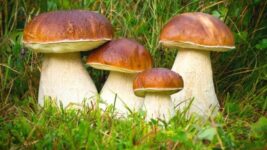
Mushrooms
What are mushrooms?
In simple terms, a mushroom is the fleshy, spore-producing fruiting body of a fungus. Think of it like the apple on a tree: the visible part that helps spread seeds (or in this case, spores), while the "tree" itself is a hidden network underground. The word "mushroom" comes from the French "mousseron," possibly linked to "moss" due to where some grow. Historically, "mushroom" often meant edible varieties, while "toadstool" referred to poisonous ones, but this distinction isn't scientific—any mushroom can be edible, toxic, or inedible. Biologically, mushrooms are part of the fungus's reproductive system. The main body of the fungus is a web of thread-like structures called hyphae, which form a mycelium—a vast, underground network that absorbs nutrients.This mycelium can be enormous; one famous example in Oregon spans over 2,200 acres and is thousands of years old!Mushrooms pop up when conditions are right, like after rain, to release spores and start new fungal colonies. What sets fungi (and thus mushrooms) apart from other life forms? Unlike plants, they don't photosynthesize—they lack chlorophyll and can't make their own food from sunlight. Instead, they're heterotrophs, like animals, but they digest food externally by secreting enzymes to break down organic matter before absorbing it. Their cell walls are made of chitin (the same material in insect shells), not cellulose like plants. Fungi are more closely related to animals than to plants evolutionarily, sharing a common ancestor about a billion years ago.
Biological classification
Mushrooms fall under the Kingdom Fungi (Latin: Regnum Fungi), one of the major groups in the tree of life. This kingdom includes everything from yeasts and molds to the mushrooms we see. The scientific study of fungi is called mycology. Within the kingdom, most mushrooms belong to the phylum Basidiomycota (club fungi), where spores are produced on club-shaped structures called basidia. Some come from Ascomycota (sac fungi), like morels. The full Latin classification for a common mushroom, such as the button mushroom, is:- Kingdom: Fungi
- Phylum: Basidiomycota
- Class: Agaricomycetes
- Order: Agaricales
- Family: Agaricaceae
- Genus: Agaricus
- Species: Agaricus bisporus
Anatomy and morphology
A typical mushroom has a cap (pileus) on top, a stem (stipe), and gills (lamellae) underneath the cap where spores form. But not all are like this—some have pores (like boletes), spines (hydnums), or are even jelly-like. Key parts include:- Cap: Protects the spore-producing surface; can be umbrella-shaped, flat, or conical.
- Gills/Pores/Teeth: Where spores are made and released.
- Stem: Supports the cap; may have a ring (annulus) or cup (volva) from protective veils that break as it grows.
- Mycelium: The hidden "roots," made of hyphae, which absorb nutrients.
Life cycle and reproduction
The mushroom life cycle is a clever loop of growth and dispersal. It starts with a spore landing in a suitable spot. The spore germinates into hyphae, which grow into mycelium. When two compatible mycelia meet, they fuse (like mating), forming a fruiting body—the mushroom. The mushroom then releases billions of spores, often forcibly ejected. This can happen sexually (with genetic mixing) or asexually (clones). Mushrooms "pop up overnight" because they inflate rapidly with water, but the mycelium builds slowly. Fairy rings form as mycelium expands outward, fruiting at the edges. Fungi reproduce diversely: some self-fertilize, others need partners. This flexibility helps them thrive in changing environments.Ecology and habitats
Mushrooms are ecosystem superheroes. As decomposers, they break down dead wood and leaves, recycling nutrients into soil. Many form mycorrhizal partnerships with trees, trading sugars for minerals—over 90% of plants rely on this! They inhabit forests, grasslands, deserts, and even polluted sites, absorbing toxins for bioremediation. Some are parasitic, like those causing tree diseases. Climate and soil influence where they grow; for example, many prefer moist, shady spots.Diversity and types
With around 14,000 described mushroom species, diversity is stunning. Common types include:- Agarics: Gilled, like the field mushroom (Agaricus campestris).
- Boletes: Pore-bearing, e.g., porcini.
- Chanterelles: Funnel-shaped, ridged.
- Puffballs: Round, spore-filled sacs.
- Stinkhorns: Foul-smelling, insect-attracting.
- Morels: Honeycomb-capped, from Ascomycota.
Human uses and importance
Humans have used mushrooms for millennia. Edible ones like button (Agaricus bisporus), shiitake (Lentinula edodes), and oysters (Pleurotus spp.) are nutritious, low-calorie sources of protein, fiber, B vitamins, and antioxidants. They're staples in cuisines worldwide and can be farmed easily. Medicinally, species like reishi (Ganoderma lucidum) are used in traditional remedies, and modern research explores psilocybin from "magic mushrooms" (Psilocybe spp.) for mental health treatments. Fungi produce antibiotics like penicillin and help in bioremediation.Other uses: dyeing fabrics, starting fires (tinder fungi), and even as eco-friendly materials for packaging.
Risks and toxicity
Not all mushrooms are friendly. Toxic ones like the death cap (Amanita phalloides) can cause organ failure. Symptoms range from stomach upset to hallucinations or death. Always identify with experts or guides—there's no foolproof test. Even edibles can cause allergies.Cultural significance and fun facts
Mushrooms appear in folklore as magical or dangerous, like the fly agaric (Amanita muscaria) in fairy tales. They're symbols in art and even video games. Fun fact: Some glow in the dark (bioluminescent) to attract insects for spore dispersal. Conservation is key, as climate change threatens fungal diversity—protecting "funga" alongside flora and fauna ensures healthy ecosystems. Mushrooms remind us of nature's interconnectedness: silent decomposers sustaining life. Whether foraging safely or enjoying them in a meal, they offer endless wonder.Categories
Inedible mushrooms
Browse entries in this category.
Poisonous mushrooms
Browse entries in this category.
Entries
 Entry
Entry
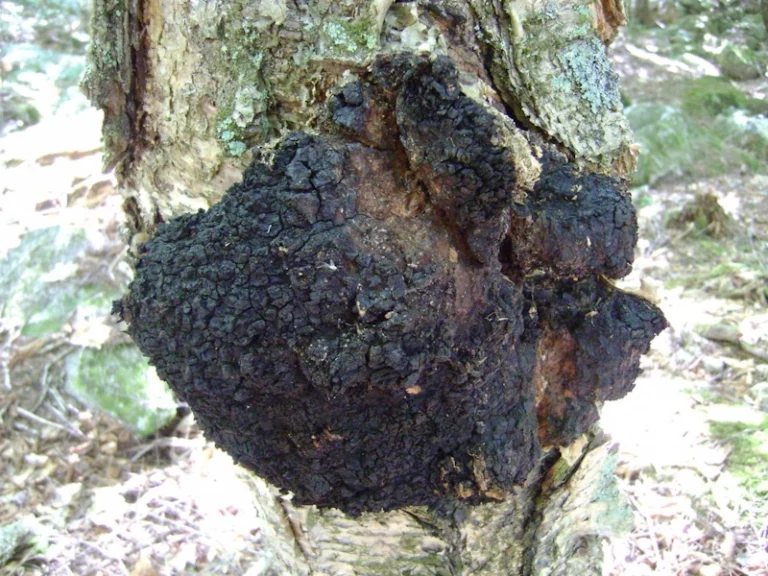
Inonotus obliquus: a chaga mushroom
Chaga (Inonotus obliquus) is a parasitic birch fungus forming black, charcoal-like sclerotia with orange interiors, valued in traditional teas and supplements but…
Read entry →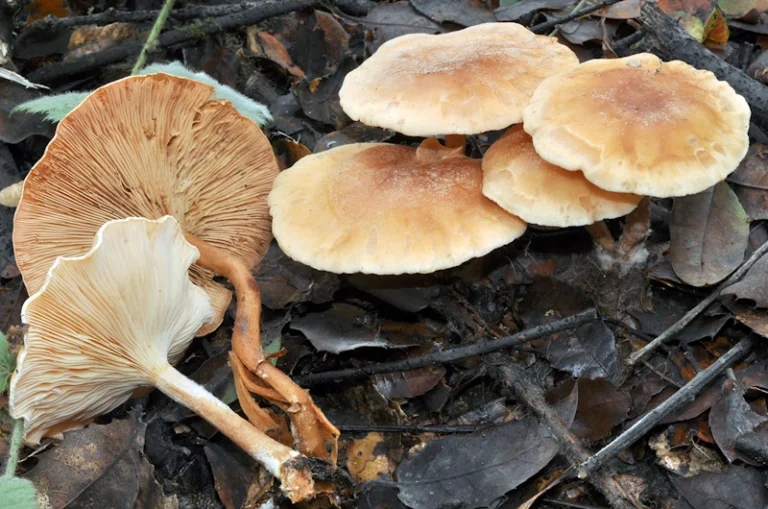 Entry
Entry
Paralepista flaccida: the tawny funnel mushroom
The tawny funnel (Paralepista flaccida) is a common autumn mushroom in Northern Hemisphere woodlands, forming distinctive fairy rings with its funnel-shaped, tawny…
Read entry →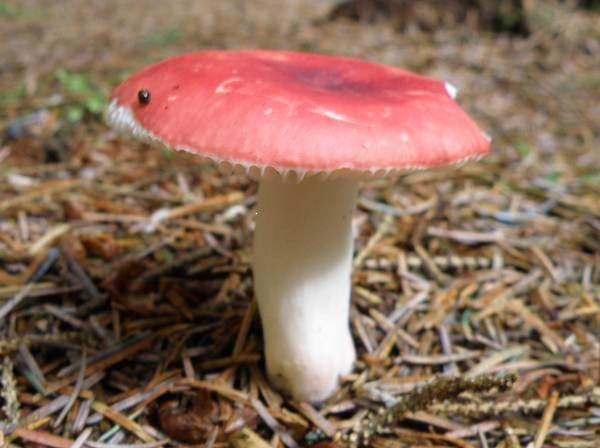 Entry
Entry
Russula nobilis: beechwood sickener mushroom
Russula nobilis, commonly called the Beechwood Sickener, is a basidiomycete fungus that forms symbiotic relationships with beech trees. It appears in late…
Read entry →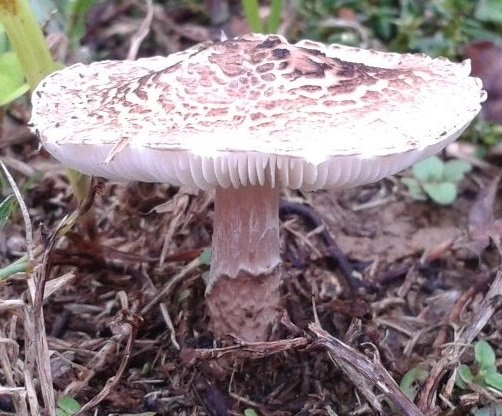 Entry
Entry
Lepiota brunneoincarnata: the deadly dapperling mushroom
Lepiota brunneoincarnata, often called the deadly dapperling, is a small, unassuming mushroom that belongs to the Lepiota genus. It grows in small…
Read entry →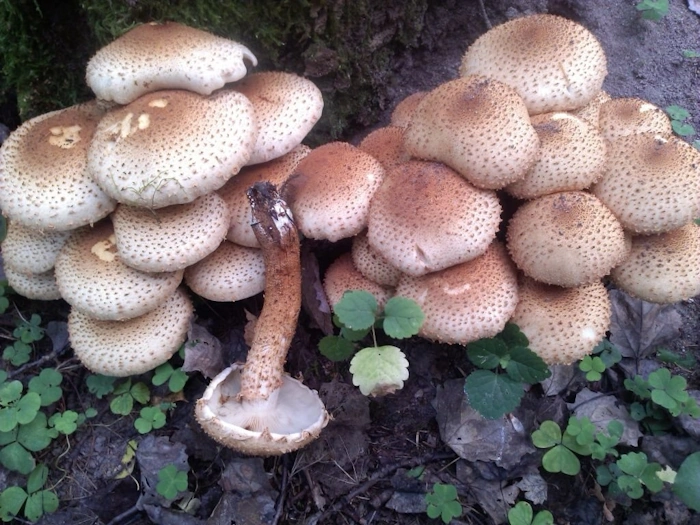 Entry
Entry
Pholiota squarrosa: the shaggy scalycap mushroom
Pholiota squarrosa, commonly known as the shaggy scalycap, is a distinctive mushroom species recognized for its scaly appearance and clustered growth habits.…
Read entry →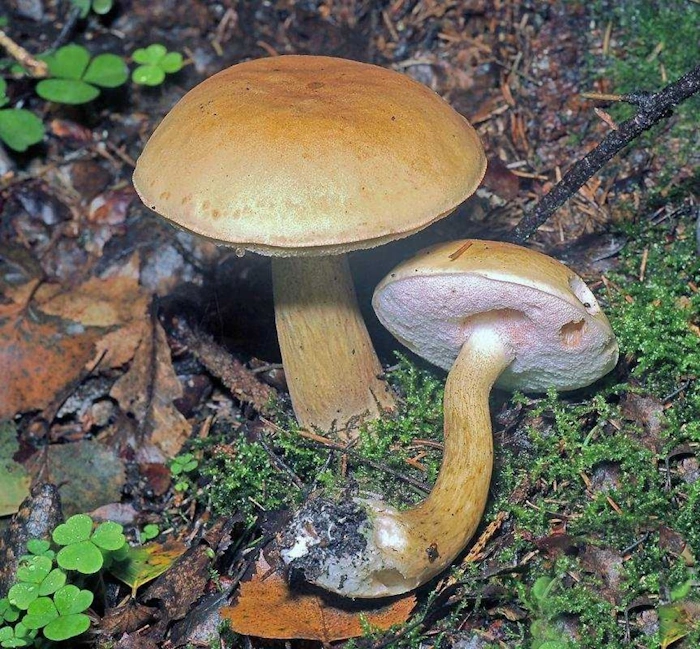 Entry
Entry
Tylopilus felleus: the bitter bolete
Tylopilus felleus, commonly called the bitter bolete, is a widespread mushroom in the bolete family known for its striking appearance but avoided…
Read entry →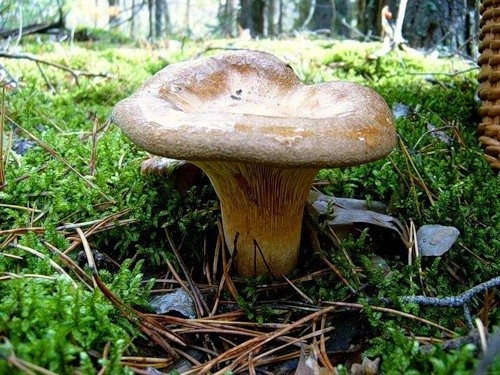 Entry
Entry
Paxillus involutus: brown roll-rim
Paxillus involutus stands out in mycology for its deceptive edibility—once consumed in Europe but now avoided due to toxins triggering immune responses.…
Read entry →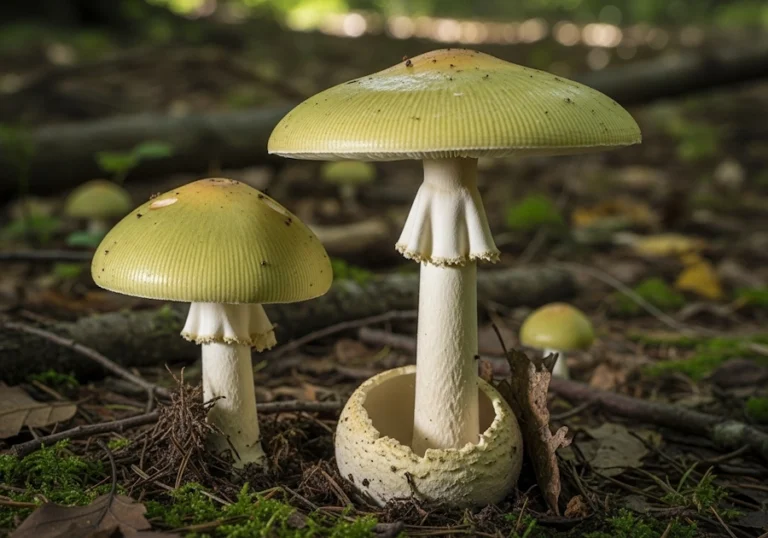 Entry
Entry
Death Cap (Amanita phalloides)
Amanita phalloides, known as the death cap, is the deadliest mushroom worldwide, responsible for 90% of fatal poisonings. It resembles edible species,…
Read entry →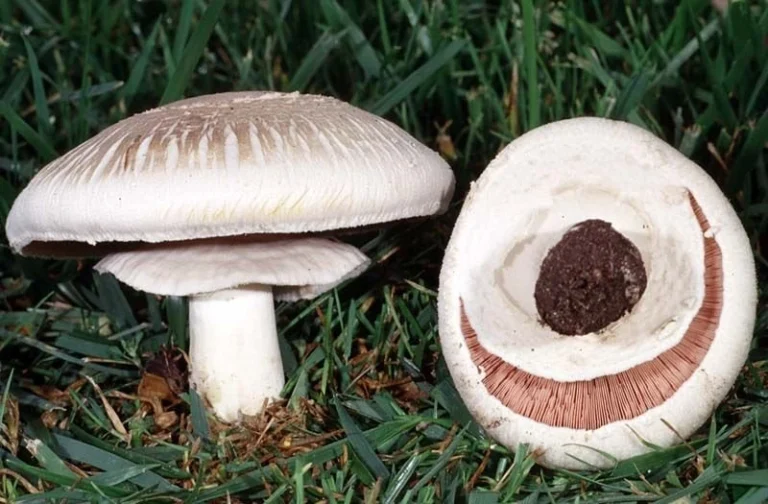 Entry
Entry
Agaricus xanthodermus: The Yellow Stainer Mushroom
Agaricus xanthodermus is notorious for causing most mushroom poisonings in regions where it grows. Its vivid yellow staining and strong ink-like odor…
Read entry →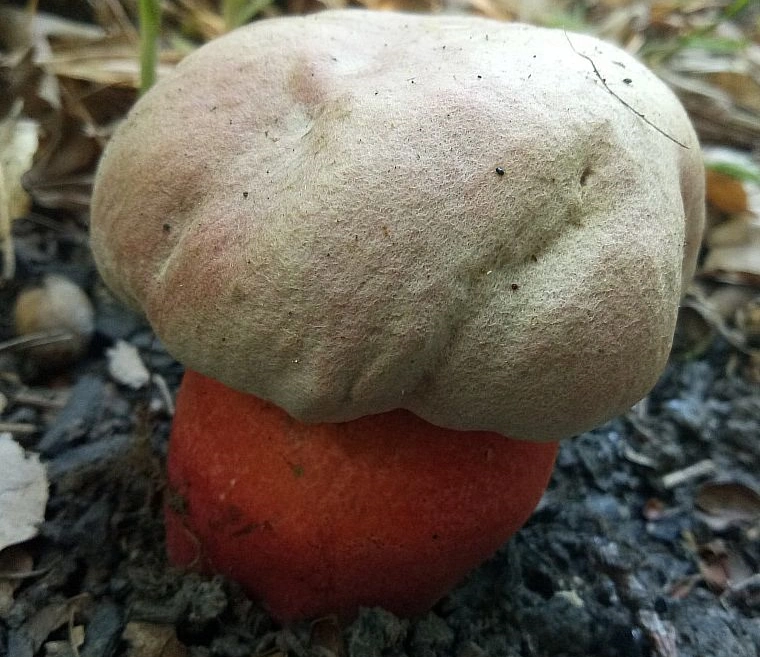 Entry
Entry
Rubroboletus satanas
Known for its striking, massive appearance and red pores, the Devil's Bolete emits an unpleasant odor and is highly poisonous, causing severe…
Read entry →