Inedible mushrooms
Encyclopedia entries
 Entry
Entry
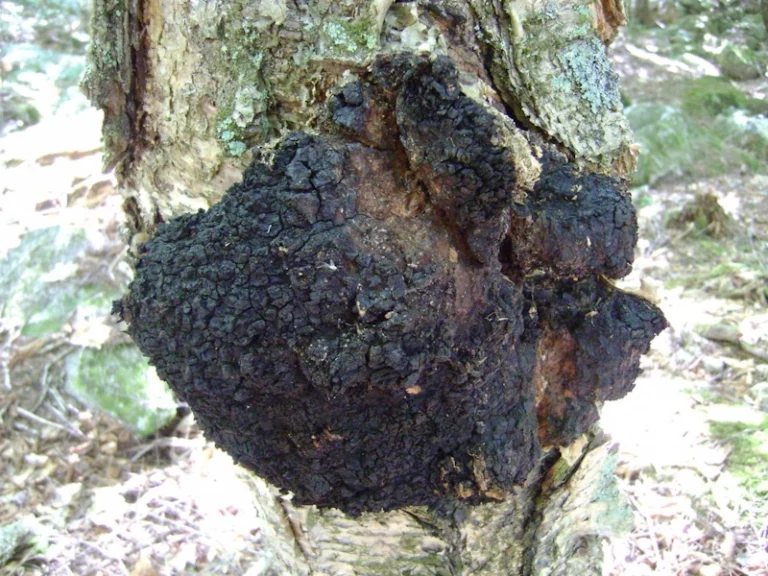
Inonotus obliquus: a chaga mushroom
Chaga (Inonotus obliquus) is a parasitic birch fungus forming black, charcoal-like sclerotia with orange interiors, valued in traditional teas and supplements but…
Read entry →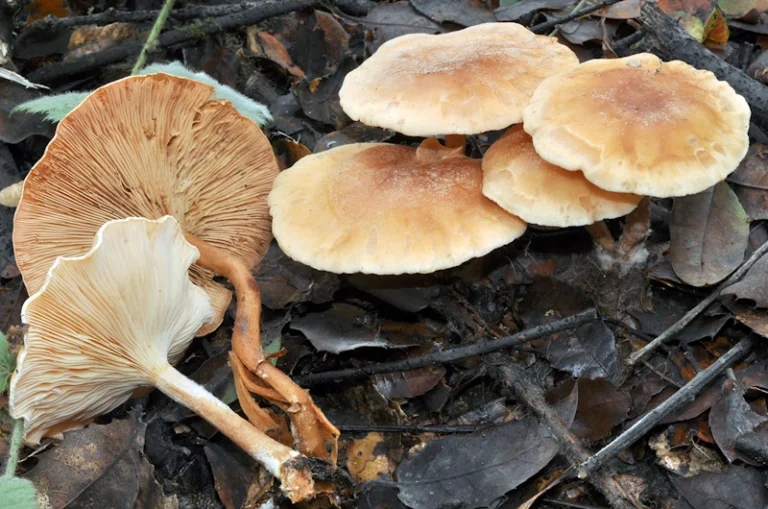 Entry
Entry
Paralepista flaccida: the tawny funnel mushroom
The tawny funnel (Paralepista flaccida) is a common autumn mushroom in Northern Hemisphere woodlands, forming distinctive fairy rings with its funnel-shaped, tawny…
Read entry →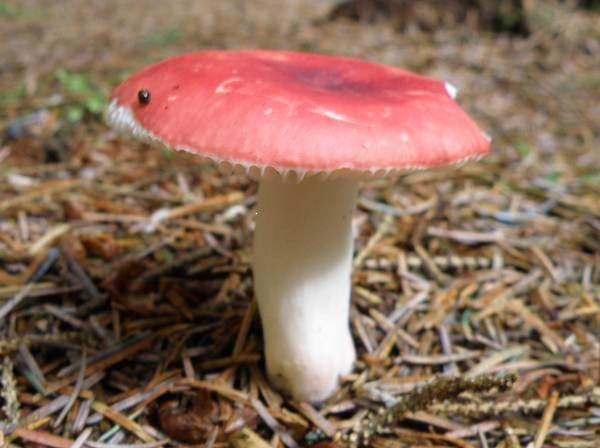 Entry
Entry
Russula nobilis: beechwood sickener mushroom
Russula nobilis, commonly called the Beechwood Sickener, is a basidiomycete fungus that forms symbiotic relationships with beech trees. It appears in late…
Read entry →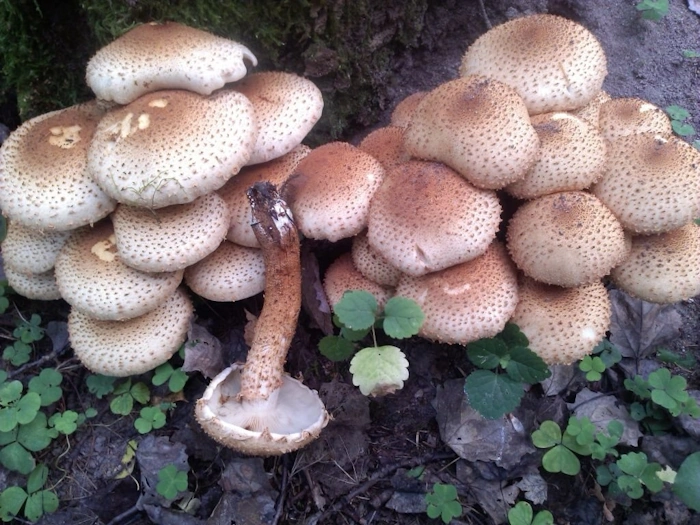 Entry
Entry
Pholiota squarrosa: the shaggy scalycap mushroom
Pholiota squarrosa, commonly known as the shaggy scalycap, is a distinctive mushroom species recognized for its scaly appearance and clustered growth habits.…
Read entry →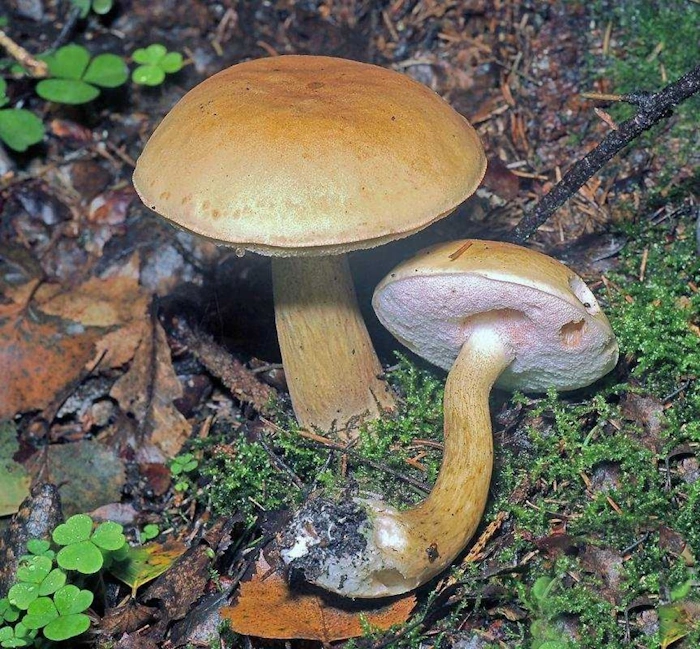 Entry
Entry
Tylopilus felleus: the bitter bolete
Tylopilus felleus, commonly called the bitter bolete, is a widespread mushroom in the bolete family known for its striking appearance but avoided…
Read entry →