Poisonous mushrooms
Encyclopedia entries
 Entry
Entry
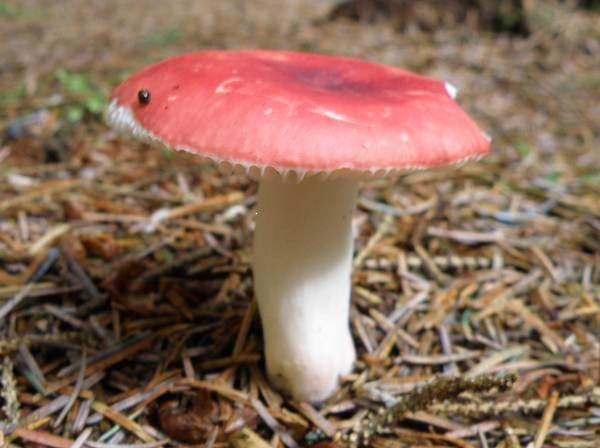
Russula nobilis: beechwood sickener mushroom
Russula nobilis, commonly called the Beechwood Sickener, is a basidiomycete fungus that forms symbiotic relationships with beech trees. It appears in late…
Read entry →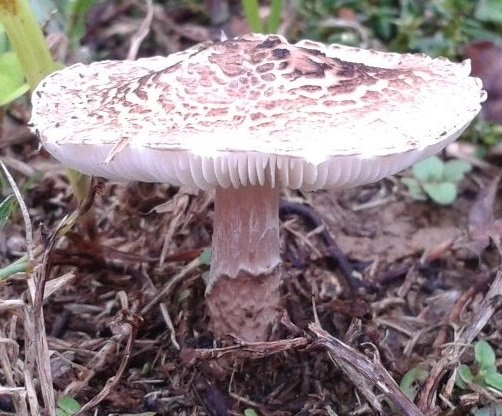 Entry
Entry
Lepiota brunneoincarnata: the deadly dapperling mushroom
Lepiota brunneoincarnata, often called the deadly dapperling, is a small, unassuming mushroom that belongs to the Lepiota genus. It grows in small…
Read entry →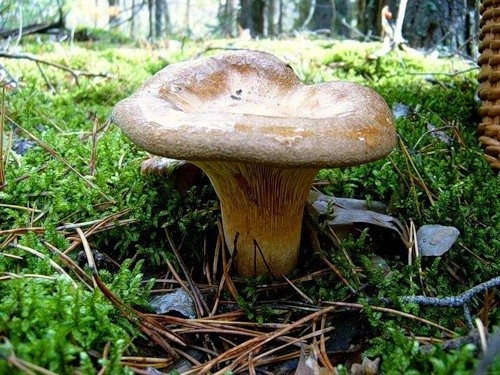 Entry
Entry
Paxillus involutus: brown roll-rim
Paxillus involutus stands out in mycology for its deceptive edibility—once consumed in Europe but now avoided due to toxins triggering immune responses.…
Read entry →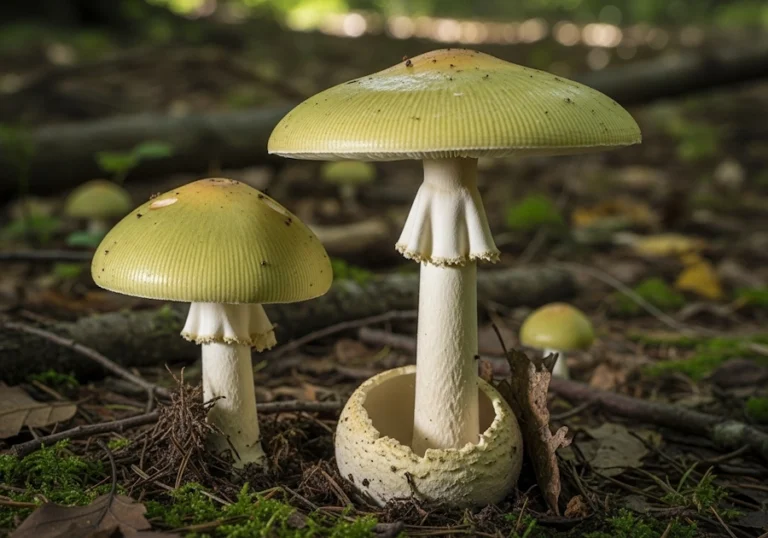 Entry
Entry
Death Cap (Amanita phalloides)
Amanita phalloides, known as the death cap, is the deadliest mushroom worldwide, responsible for 90% of fatal poisonings. It resembles edible species,…
Read entry →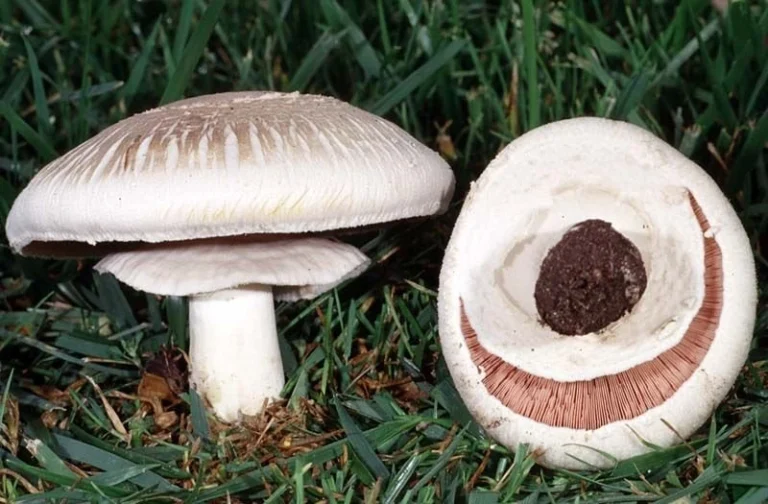 Entry
Entry
Agaricus xanthodermus: The Yellow Stainer Mushroom
Agaricus xanthodermus is notorious for causing most mushroom poisonings in regions where it grows. Its vivid yellow staining and strong ink-like odor…
Read entry →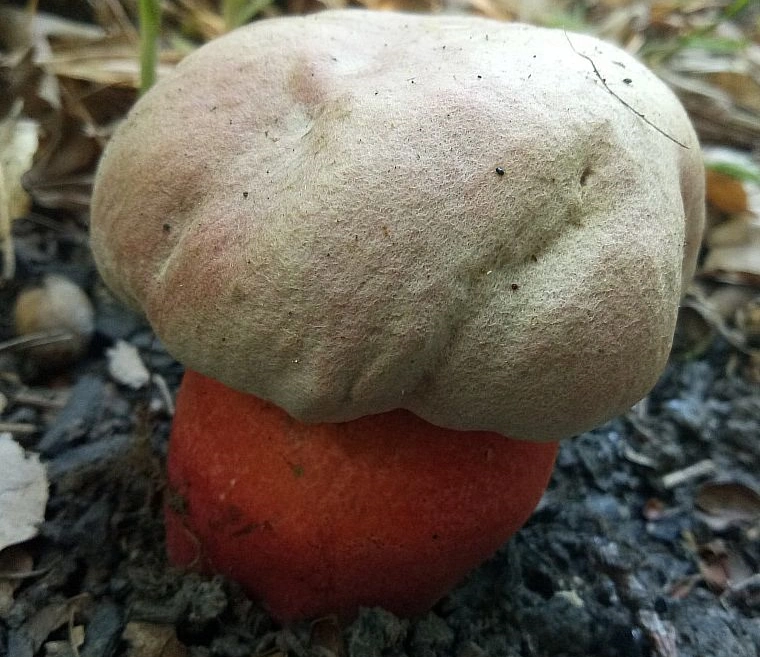 Entry
Entry
Rubroboletus satanas
Known for its striking, massive appearance and red pores, the Devil's Bolete emits an unpleasant odor and is highly poisonous, causing severe…
Read entry →