Understand science.
Then test yourself.
A living encyclopedia for students: pick a subject, read a real knowledge entry, then take a quiz. Clear, curious, and built to last.
Explore by subject
Learn in three steps
Pick a subject
Astronomy, biology, physics, chemistry, Earth science, or mushrooms — open the branch you want to understand.
Read a knowledge entry
Real encyclopedia articles with facts, mechanisms, and sources — written so students can follow, not just skim.
Test yourself
Take a 10-question quiz on the same topic. See what stuck, read why, and try again if you want.
Explore knowledge
 Entry
Entry
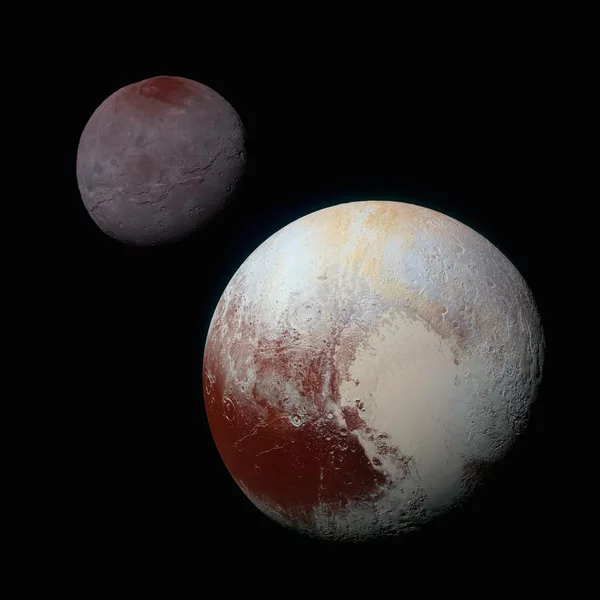
Pluto: The Famous Dwarf Planet
Pluto is the famous dwarf planet: icy mountains, nitrogen ice, large moon Charon, and discoveries from NASA’s New Horizons.
Read entry →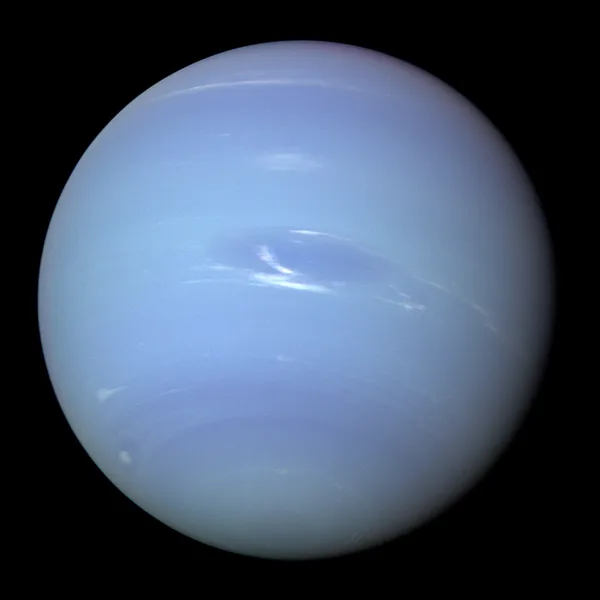 Entry
Entry
Neptune: The Farthest Planet from the Sun
Neptune is the farthest major planet: a deep-blue ice giant with extreme winds, faint rings, and the retrograde moon Triton.
Read entry →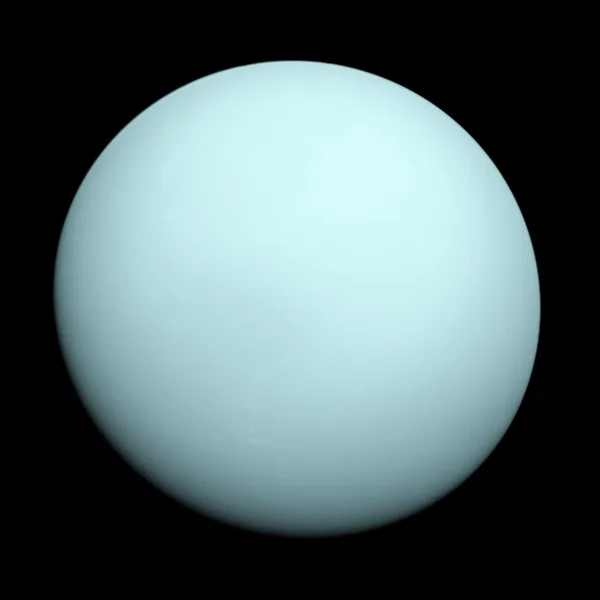 Entry
Entry
Uranus: The Sideways Ice Giant
Uranus is the sideways ice giant: extreme tilt, long seasons, methane-blue color, dark rings, and a rarely visited outer world.
Read entry →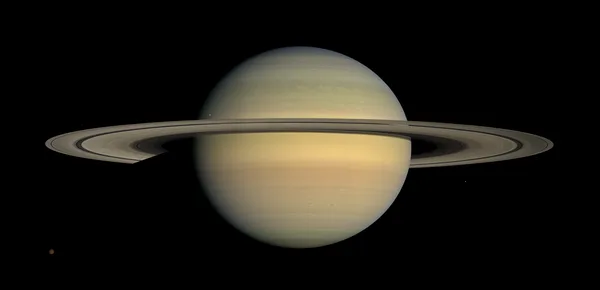 Entry
Entry
Saturn: The Ringed Giant of the Solar System
Saturn is the ringed gas giant: bright icy rings, fast spin, low density, and remarkable moons Titan and Enceladus.
Read entry →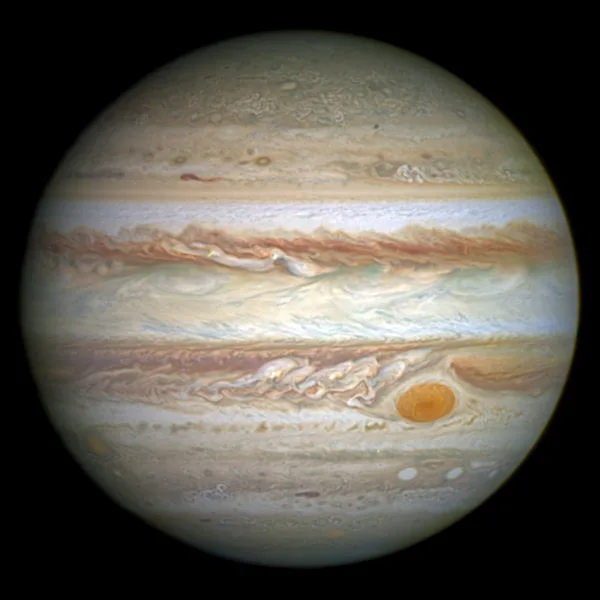 Entry
Entry
Jupiter: The Largest Planet in the Solar System
Jupiter is the largest planet: a hydrogen-helium gas giant with a 10-hour day, the Great Red Spot, and moons including Europa.
Read entry →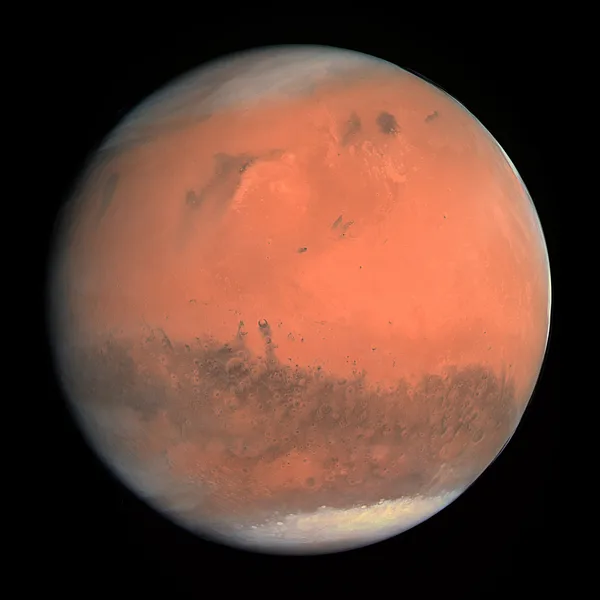 Entry
Entry
Mars: The Red Planet Explained
Mars is the Red Planet: thin CO2 air, giant volcanoes, deep canyons, polar ice, two moons, and strong evidence of ancient water.
Read entry →Lessons
Atmosphere Layers, Gaseous Composition and Cloud Types
Why do We Need the Atmosphere? When you look up at the sky, you see blue, white, or sometimes a fiery orange…
Read lesson →Is Anything Faster Than Light?
This lesson explores the universe’s ultimate speed limit—the speed of light—and what that limit really means for matter, energy, space, and time.
Read lesson →Is Earth Round?
This lesson delves into Earth's oblate spheroid shape, debunking flat Earth myths through ancient proofs like Aristotle's observations and Eratosthenes' precise circumference…
Read lesson →William Herschel and his amazing discoveries
Willam Herschel was a pioneer in everything he did. As a designer of the first large reflecting telescopes and as an observer,…
Read lesson →The Science of Infection: A Biological Battlefield
This lesson explains infections as pathogen invasion leading to disease, covering pathogen types, infection stages (incubation-prodromal-peak-outcome), epidemiology (endemic/epidemic/pandemic), transmission routes, virulence factors,…
Read lesson →General Virology: What Are Viruses, Are They Alive Or Not?
Viruses are acellular particles that blur the line between life and non-life, requiring host cells to reproduce via attachment, entry, replication, assembly,…
Read lesson →Test yourself
Ready to understand something new?
Open a subject, pick a topic, and read a real encyclopedia entry — then try a quiz. That’s the whole idea.