Astronomy
Explore the Solar System, planets, stars, and space science encyclopedia entries.
Categories
Entries
 Entry
Entry
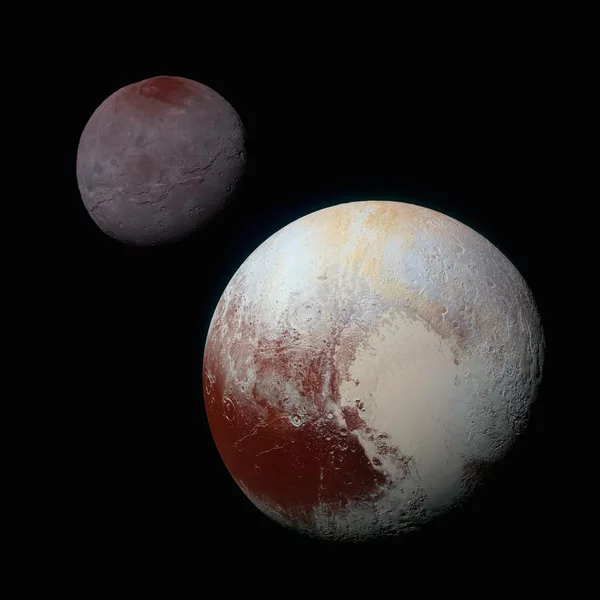
Pluto: The Famous Dwarf Planet
Pluto is the famous dwarf planet: icy mountains, nitrogen ice, large moon Charon, and discoveries from NASA’s New Horizons.
Read entry →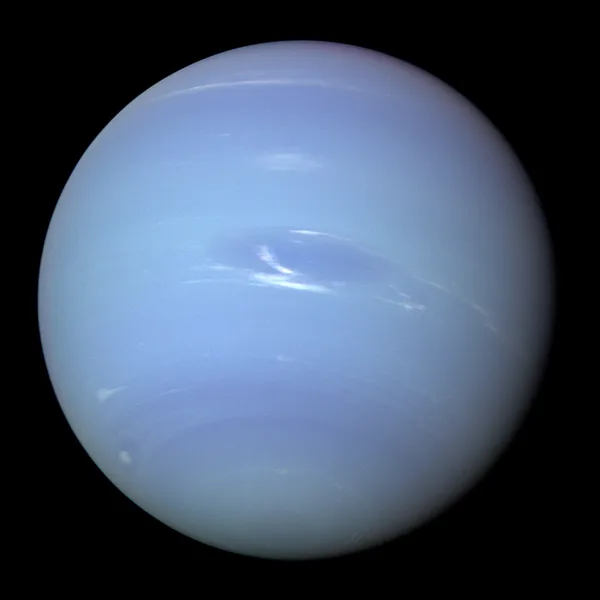 Entry
Entry
Neptune: The Farthest Planet from the Sun
Neptune is the farthest major planet: a deep-blue ice giant with extreme winds, faint rings, and the retrograde moon Triton.
Read entry →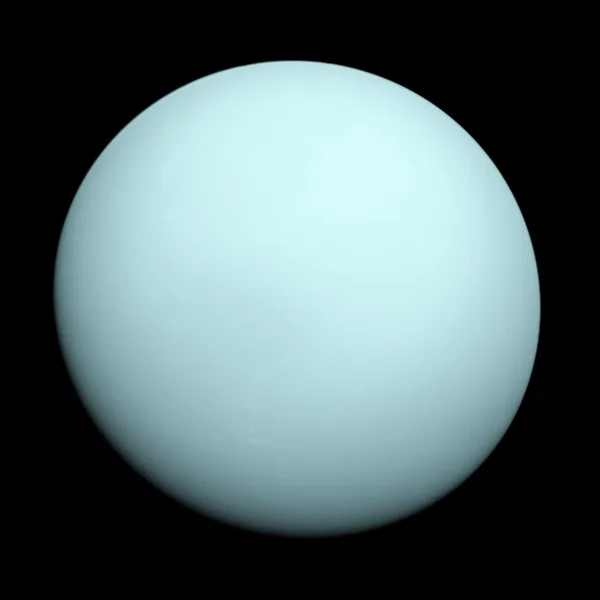 Entry
Entry
Uranus: The Sideways Ice Giant
Uranus is the sideways ice giant: extreme tilt, long seasons, methane-blue color, dark rings, and a rarely visited outer world.
Read entry →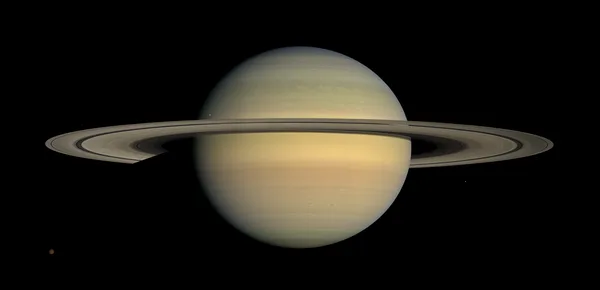 Entry
Entry
Saturn: The Ringed Giant of the Solar System
Saturn is the ringed gas giant: bright icy rings, fast spin, low density, and remarkable moons Titan and Enceladus.
Read entry →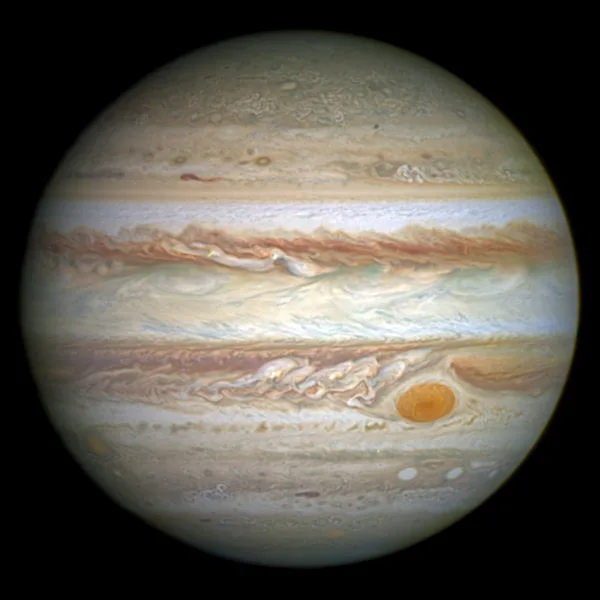 Entry
Entry
Jupiter: The Largest Planet in the Solar System
Jupiter is the largest planet: a hydrogen-helium gas giant with a 10-hour day, the Great Red Spot, and moons including Europa.
Read entry →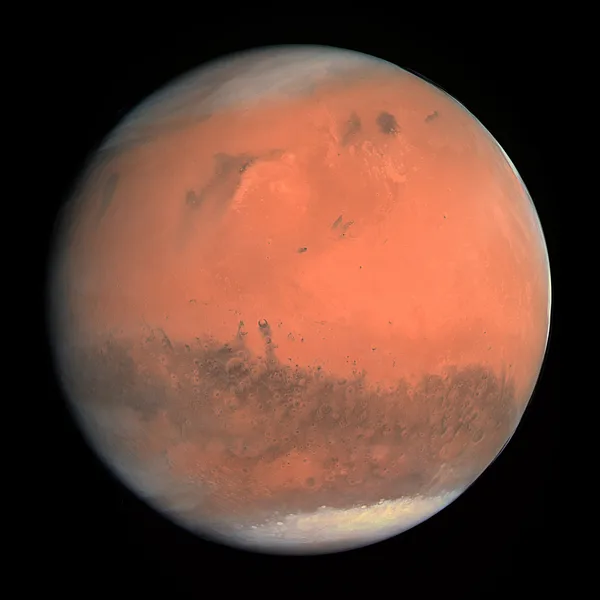 Entry
Entry
Mars: The Red Planet Explained
Mars is the Red Planet: thin CO2 air, giant volcanoes, deep canyons, polar ice, two moons, and strong evidence of ancient water.
Read entry →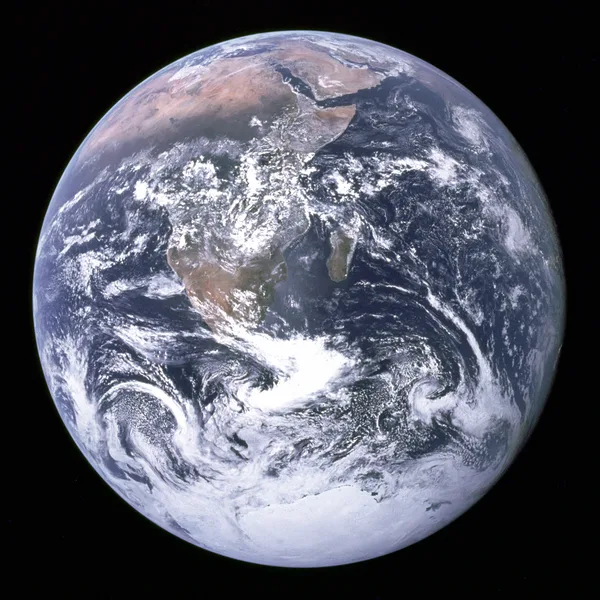 Entry
Entry
Earth: Our Living Home Planet
Earth is the third planet and only known living world: oceans, oxygen-rich air, magnetic field, plate tectonics, and one large Moon.
Read entry →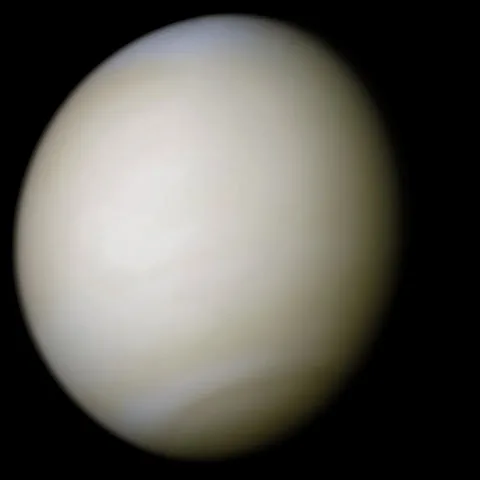 Entry
Entry
Venus: Earth’s Hot Twin Planet
Venus is Earth’s size twin and the hottest planet: thick CO2 air, acid clouds, crushing pressure, and a slow backward spin.
Read entry →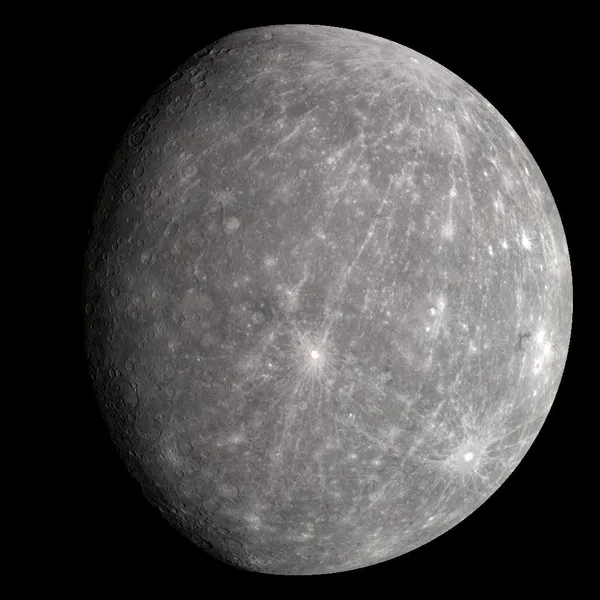 Entry
Entry
Mercury: The Closest Planet to the Sun
Mercury is the closest planet to the Sun: extreme heat and cold, a huge iron core, polar ice, and a day longer…
Read entry →