The Science of Infection: A Biological Battlefield
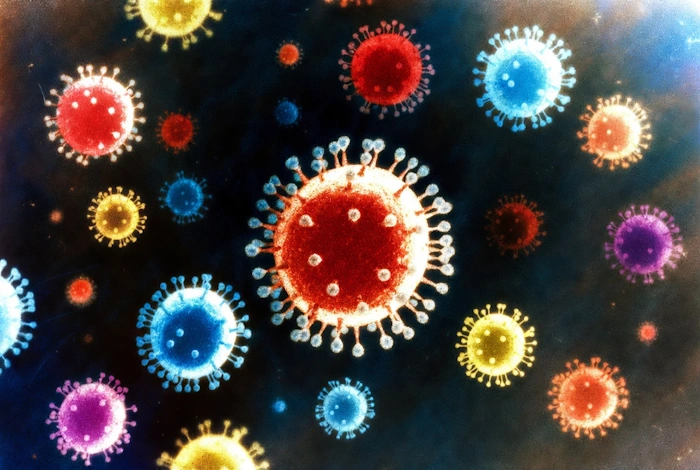
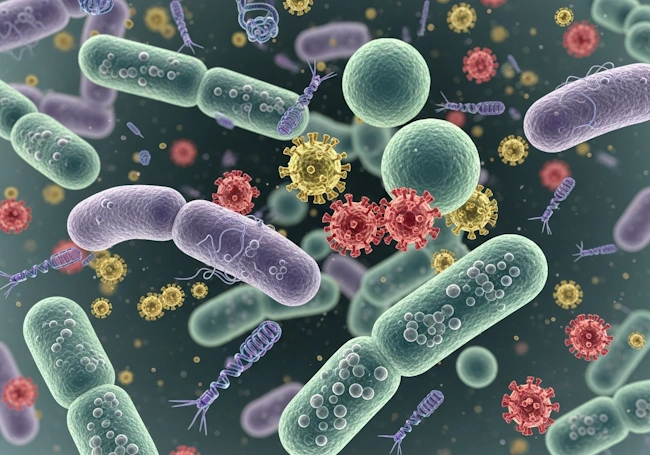
An infection is the invasion and multiplication of harmful microorganisms—called pathogens—within a living organism, leading to disease. Pathogens can be bacteria, viruses, fungi, or parasites, each with unique ways of entering the body, evading defenses, and causing harm. Infections can range from mild, like the common cold, to severe, such as pneumonia or sepsis, depending on the pathogen’s virulence (ability to cause disease) and the host’s immune response.
When a pathogen enters the body, it begins to colonize tissues, often releasing toxins or damaging cells. The body responds with inflammation, fever, and immune activation—signs that the immune system is fighting back. However, if the pathogen overwhelms the body’s defenses, the infection can spread, leading to illness or even death.
An infection is not just “getting sick”—it’s a complex biological war. Every cold or infected scrape is your body fighting millions of microscopic invaders: bacteria, viruses, and fungi. These pathogens have evolved sophisticated weapons, while your immune system has built an army to defend you.
In this lesson, we’ll explore:
- The stages of infection
- The difference between an epidemic and a pandemic
- The virulence factors that turn harmless bacteria into killers
[INTERACTIVE TOOL: THE VIRUS OUTBREAK SIMULATOR]
Virus Outbreak Simulator
Adjust parameters to see how transmission affects the curve.
Experiment: Release a virus in a city. Adjust variables like “Mask Wearing” or “Vaccination Rate” and observe how the infection curve changes.
Part 1: What Is an Infection?
Definition
An infection is the biological response of a host (you) to the invasion of a pathogen (the germ).
An infection occurs when harmful microorganisms—such as bacteria, viruses, fungi, or parasites—invade the body and multiply, disrupting normal bodily functions. These pathogens can enter the body through various routes, including the skin, respiratory tract, digestive system, or mucous membranes.
Once inside, they may damage tissues, release toxins, or trigger an immune response, leading to symptoms like fever, inflammation, pain, or fatigue.
The body’s immune system typically fights off infections using white blood cells, antibodies, and other defense mechanisms. However, if the immune response is overwhelmed or the pathogen is particularly virulent, infections can become severe or even life-threatening.
Outcomes of Infection
Infections don’t always cause sickness. They exist on a spectrum:
- Carriage (Silent Host): You carry the germ but feel fine (e.g., Typhoid Mary).
- Persistence: The germ hides in your body for years (e.g., Herpes, Tuberculosis).
- Infectious Disease: Full-blown illness with fever, pain, and toxicity. Can end in recovery or death.
How Infectious Diseases Differ from Regular Diseases
Infectious diseases differ from regular (non-infectious) diseases primarily in their cause and mode of transmission. Infectious diseases are caused by pathogens—such as bacteria, viruses, fungi, or parasites—that can spread from person to person, through contaminated surfaces, vectors like mosquitoes, or environmental sources. Examples include influenza, tuberculosis, and COVID-19.
In contrast, non-infectious diseases (also called chronic or non-communicable diseases) arise from internal dysfunctions, genetic factors, lifestyle choices, or environmental exposures, but cannot be transmitted between individuals. These include conditions like diabetes, heart disease, and cancer. While infectious diseases often present with acute symptoms and can sometimes be treated with antibiotics or antivirals, non-infectious diseases typically require long-term management, such as medication, therapy, or lifestyle changes.
The key distinction lies in contagion: infectious diseases pose a risk to public health due to their ability to spread, whereas non-infectious diseases affect individuals independently.
Let’s sum this up:
- Specific Villain: Always caused by a specific microbe.
- Contagiousness: Can be caught from others.
- Immunity: Survival often grants protection (antibodies).
- Cyclical Nature: Follows a timeline: Incubation → Illness → Recovery.
The Triangle of Infection
For sickness to occur, three elements must align:
- The Agent: A dangerous microbe.
- The Host: A susceptible person (low immunity).
- The Environment: Conditions that help the germ spread (e.g., crowded rooms, dirty water).
Infectious Dose Not every germ makes you sick. You need a specific number to overwhelm your defenses:
- Salmonella: ~100,000 bacteria.
- Norovirus: Only 18 viral particles (highly contagious!).
Part 2: The Scope of Infection Spread (Epidemiology)
Epidemiology – the science that investigates patterns, causes, and effects of health and disease conditions in defined populations, helps us classify the scope of infection spread into three main categories: endemic, epidemic, and pandemic. Each term describes a different scale and pattern of disease occurrence, providing insight into how infections impact communities, regions, or even the entire world.
Endemic Diseases: The Constant Presence
An endemic disease is one that is constantly present in a specific geographic area or population, maintaining a relatively stable and predictable number of cases over time. These diseases are often confined to particular regions due to environmental factors, climate, or the presence of disease vectors (like mosquitoes or ticks).
Examples:
- Malaria is endemic in many tropical and subtropical regions, such as parts of Africa and Southeast Asia.
- Lyme disease is endemic in certain areas of North America and Europe where ticks that carry the bacteria are common.
Key Characteristics:
- The disease is regularly found in the population.
- The number of cases stays about the same over time.
- The population may develop some level of immunity or adaptation to the disease.
Endemic diseases are a significant focus of public health efforts, as they require ongoing prevention and control measures to reduce their impact on affected communities.
Epidemic Diseases: The Sudden Surge
An epidemic occurs when there is a sudden increase in the number of cases of a disease within a specific population or region, exceeding what is normally expected. Epidemics are often localized but can spread rapidly, overwhelming healthcare systems and causing significant morbidity and mortality.
Examples:
- The Ebola outbreak in West Africa (2014–2016) was a devastating epidemic that affected several countries, including Guinea, Liberia, and Sierra Leone.
- The annual flu season in many countries can sometimes reach epidemic levels, with a sharp rise in cases during winter months.
Key Characteristics:
- The disease spreads rapidly within a community or region.
- The number of cases is higher than usual for that area.
- Epidemics often require urgent public health interventions, such as vaccination campaigns, quarantine measures, or travel restrictions.
Epidemics highlight the importance of surveillance systems and rapid response strategies to contain the spread of infectious diseases.
Pandemic Diseases: The Global Threat
A pandemic is an epidemic that has spread across multiple countries or continents, affecting a large number of people worldwide. Pandemics are characterized by their global reach and the ability to cause widespread illness, death, and societal disruption.
Examples:
- The COVID-19 pandemic, caused by the SARS-CoV-2 virus, spread globally in 2020, leading to millions of infections and deaths.
- The Spanish Flu (1918–1919) infected an estimated one-third of the world’s population and resulted in tens of millions of deaths.
Key Characteristics:
- The disease spreads across international borders, affecting people worldwide.
- Pandemics often require global coordination among governments, healthcare systems, and international organizations.
- They can lead to long-term societal and economic impacts, including disruptions to travel, trade, and daily life.
Pandemics pose unique challenges, as they demand a unified global response to mitigate their effects and prevent future outbreaks.
Summing it up:
When infections escape control, they scale up:
- Endemic: Always present in a specific area (e.g., Malaria in Africa).
- Epidemic: Sudden outbreak in a region (e.g., flu in a school).
- Pandemic: Global outbreak (e.g., COVID-19, The Black Death).
Part 3: Classification of Infections
1. By Invader Type (Etiology)
- Bacterial: Strep Throat, Salmonella (treated with antibiotics).
- Viral: Flu, HIV, COVID-19 (treated with antivirals/vaccines).
- Fungal: Athlete’s Foot, Ringworm.
- Protozoal: Malaria.
- Mixed: Combination (e.g., bacterial pneumonia after viral flu).
2. By Duration
- Acute: Fast and intense (e.g., flu).
- Chronic: Slow and long-term (e.g., Hepatitis C).
- Latent: Dormant (e.g., Chickenpox → Shingles).
3. By Route of Transmission
- Airborne: Coughing/sneezing (TB, Measles).
- Fecal-Oral: Contaminated food/water (Cholera).
- Contact: Touch (Staph infection).
- Vector-Borne: Mosquito/tick bites (Lyme Disease).
- Vertical: Mother to baby (pregnancy/birth).
Part 4: The Timeline of Sickness
The timeline of sickness in an infection typically follows a predictable progression.
1. Beginning with the incubation period—the time between exposure to a pathogen and the appearance of the first symptoms. During this phase, the pathogen replicates within the host, but the individual remains asymptomatic and may unknowingly spread the disease.
2. Following incubation, the prodromal stage emerges, marked by early, non-specific symptoms such as fatigue, fever, or malaise, signaling the body’s initial immune response.
3. As the infection progresses, it reaches the height (or acute phase), where symptoms become most severe and specific—such as coughing in respiratory infections or rash in viral illnesses—reflecting the pathogen’s peak activity and the immune system’s intensified fight.
4. Finally, the infection resolves in the outcome stage, which can result in recovery (with or without lasting immunity), complications (like secondary infections or organ damage), or, in severe cases, death.
Every infectious disease follows a script:
| Stage | Description |
|---|---|
| Incubation Period | Germ multiplies silently. You feel fine but may be contagious. |
| Prodromal Period | Vague symptoms (fatigue, mild headache). Immune system awakens. |
| Height of Illness | Fever, pain, toxins released. Most contagious. |
| Outcome | Recovery, carrier state, or death. |
Re-infection: Cured, then catch the same bug again.
Super-infection: Sick with Virus A, then Bacteria B attacks (dangerous “double hit”).
Part 5: The Weapons of War (Virulence Factors)
Why are some bacteria deadly while others are harmless? Virulence factors—biological weapons encoded in their DNA.
Virulence factors are molecules or structures produced by pathogens—such as bacteria, viruses, fungi, or parasites—that enable them to invade a host, evade the immune system, and cause disease. These factors enhance a pathogen’s ability to colonize tissues, obtain nutrients, and damage host cells, increasing the severity of infection.
Examples include:
- adhesins (which help pathogens attach to host cells)
- toxins (like botulinum toxin or cholera toxin, which disrupt cellular functions), enzymes (such as proteases that break down host tissues)
- immune evasion mechanisms (like capsules that hide bacteria from immune detection).
Virulence factors are often encoded by genes on the pathogen’s chromosome or plasmids, and their presence can determine whether an infection is mild or life-threatening.
| Weapon | Function |
|---|---|
| Adhesion | Sticky “grappling hooks” (Pili, slime layers) to latch onto host cells. |
| Invasion | Enzymes (e.g., Hyaluronidase, Coagulase) to spread or hide. |
| Toxins | Exotoxins: Poisons spat out (e.g., Botulinum, Tetanus). |
| Endotoxins: Poisons in bacterial walls, released on death (fever/shock). |
LD50 (Lethal Dose 50) Measures how deadly a germ is. It is a standard measure used in toxicology to indicate the lethal dose of a substance required to kill 50% of a test population (usually animals, such as mice or rats) within a specified time period. It is typically expressed as the amount of substance per unit of body weight (e.g., milligrams per kilogram, or mg/kg).
- High Virulence: Low LD50 (few bacteria kill). Indicates higher toxicity.
- Low Virulence: High LD50 (millions needed to kill). Indicates lower toxicity.
Summary of Key Terms
- Pathogen: Microorganism causing disease.
- Virulence: Strength of pathogenicity.
- Sepsis: Life-threatening infection in the blood.
- Vector: Animal (e.g., mosquito) carrying disease.
- Zoonosis: Disease jumping from animals to humans (e.g., Rabies, COVID-19).
🎓 Quiz: The Science of Infection
1. What is the “Incubation Period”?
- A) When you feel the sickest
- B) The time between infection and the first symptoms
- C) The recovery phase
- D) When you take medicine
👉 Click to check answer
The germ is multiplying, but you don’t know it yet.
2. Which type of infection spreads from mother to baby?
- A) Horizontal Transmission
- B) Vertical Transmission
- C) Vector Transmission
- D) Airborne Transmission
👉 Click to check answer
This happens across the placenta or during birth.
3. What is an “Endemic” disease?
- A) A disease that spreads worldwide
- B) A disease that is always present in a specific region
- C) A rare disease
- D) A disease from outer space
👉 Click to check answer
Like Malaria in tropical zones.
4. What is the function of “Adhesion” factors like Pili?
- A) To kill white blood cells
- B) To stick to the host’s cells so they don’t get washed away
- C) To release toxins
- D) To digest food
👉 Click to check answer
This is the critical first step of any infection.
5. Which toxin is part of the bacteria’s own cell wall?
- A) Exotoxin
- B) Endotoxin
- C) Neurotoxin
- D) Botox
👉 Click to check answer
It is released only when the bacteria dies and breaks apart.
Sources & References
- Burrell, C.J. (2016) ‘Pathogenesis of Virus Infections’, Microbiology Spectrum, 4(4). doi:10.1128/microbiolspec.DMIH2-0027-2015. Available at: https://pmc.ncbi.nlm.nih.gov/articles/PMC7150039/
- Casadevall, A. and Pirofski, L.A. (2024) ‘Understanding bacterial pathogenicity: a closer look at the virulence factors’, Frontiers in Microbiology, 15. doi:10.3389/fmicb.2024.1370818. Available at: https://www.frontiersin.org/journals/microbiology/articles/10.3389/fmicb.2024.1370818/full
- Centers for Disease Control and Prevention (2025) What are the 5 stages of infection? Available at: https://www.medicalnewstoday.com/articles/5-stages-of-infection
- Chebotar, I. et al. (2025) ‘Detection of virulence factors in opportunistic bacteria’, Frontiers in Microbiology, 16. doi:10.3389/fmicb.2025.1638925. Available at: https://www.frontiersin.org/journals/microbiology/articles/10.3389/fmicb.2025.1638925/full
- Heesterbeek, H. et al. (2021) ‘The epidemiology of emerging infectious diseases and pandemics: A rapid review of the literature and guiding principles for public health preparedness’, Journal of Medical Microbiology, 70(10). doi:10.1099/jmm.0.001452. Available at: https://pmc.ncbi.nlm.nih.gov/articles/PMC8379607/
- Soni, J. et al. (2023) ‘Importance of Virulence Factors in Bacterial Pathogenicity’, International Journal of Medical Science and Clinical Research Studies, 3(4). Available at: https://ijmscrs.com/index.php/ijmscrs/article/view/737