The Invisible Universe: Introduction to Microbiology
You Are Not Alone
Right now, as you read this, you are not alone. On your skin, in your gut, and even on your eyelashes, there are billions of tiny passengers. In fact, scientists estimate that there are just as many bacterial cells in your body as there are human cells!
This is the world of Microbiology—the study of organisms so small you need a microscope to see them. They are the oldest life forms on Earth, the most numerous, and without them, life as we know it would cease to exist.
In this lesson, we will learn how to categorize these invisible beasts, how scientists grow them in “Science Jello,” and why some kill us while others keep us alive.
Part 1: The Cast of Characters (Subject of Microbiology)
Microbiology isn’t just about bacteria. It covers a diverse cast of characters, each with different “superpowers” and structures.
1. Bacteria (The Prokaryotes)
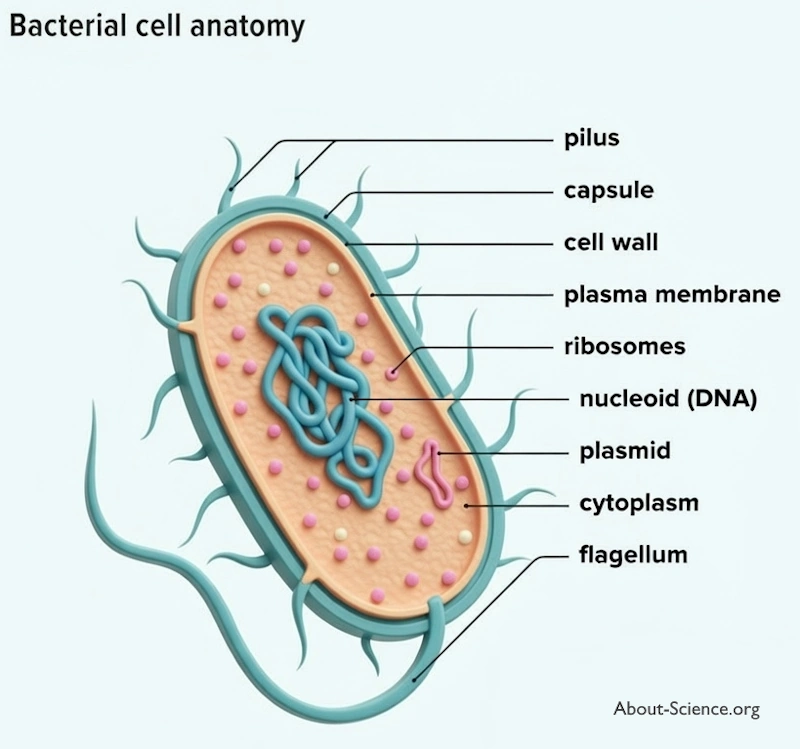
These are the simplest forms of life.
- Structure: They are Prokaryotes, which means “Before the Nucleus.” They have no internal walls holding their DNA; their genetic code just floats around in the cytoplasm.
- Origin: Contrary to old theories, they are not plants. They form their own domain.
- Size: Very tiny (0.5 to 5 micrometers). You could fit 1,000 of them across the head of a pin.
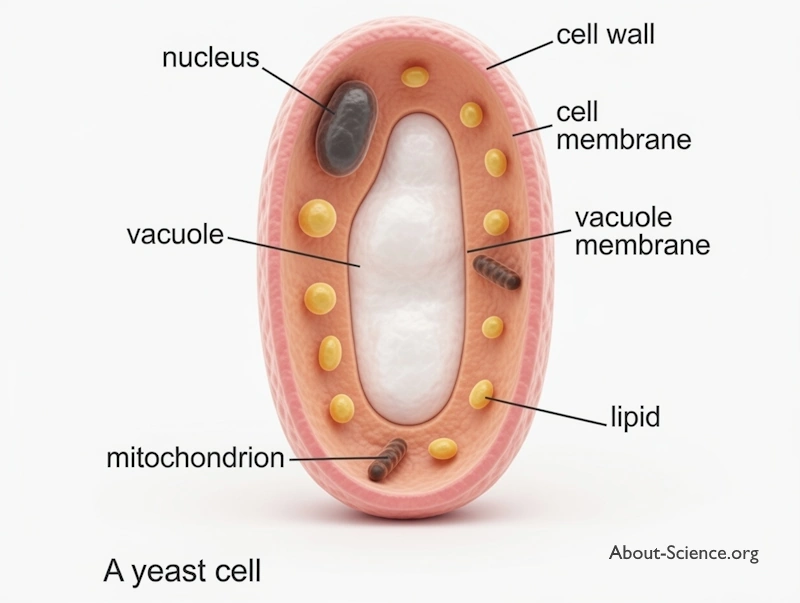
2. Fungi (The Decomposers)
- Structure: These are Eukaryotes (like us!). They have a complex nucleus holding their DNA.
- The Misfits: For a long time, scientists thought fungi were plants because they grow out of the ground. But they don’t use photosynthesis! They are actually genetically closer to animals than plants.
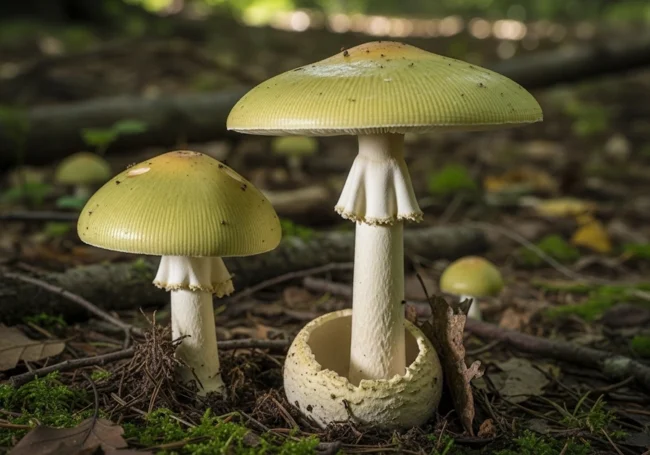
- Examples: Yeast (single-celled), Mold (multi-celled), Mushrooms.
3. Viruses (The Hijackers)
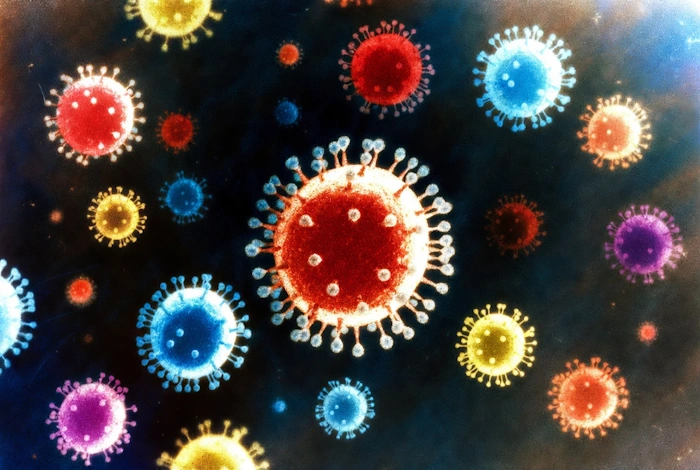
- Structure: They are not cells. They are just a strip of genetic code (DNA or RNA) wrapped in a protein coat.
- Are they alive? This is the biggest debate in biology. Most scientists say No. They cannot eat, breathe, or reproduce on their own. They must hijack a living cell to make copies of themselves.

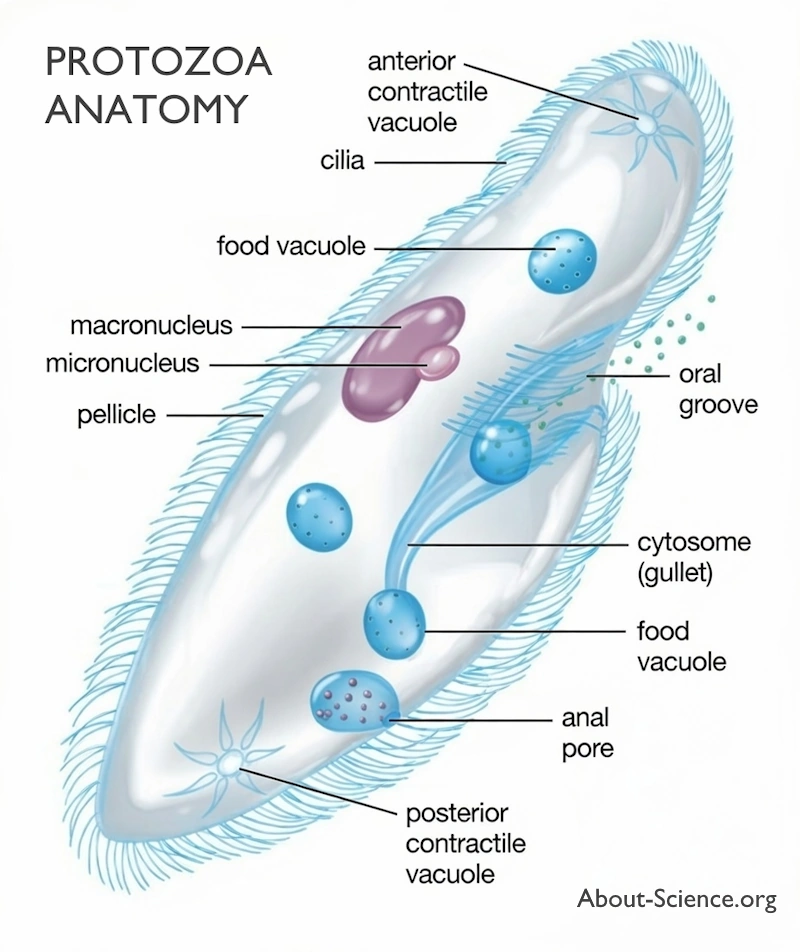
4. Protozoa (The Little Animals)
- Structure: Single-celled Eukaryotes.
- Behavior: They act like tiny animals. They hunt, move, and eat other microbes. If you look at pond water, the wiggly things you see are usually protozoa.
Part 2: The Many Jobs of Microbes (Branches of Science)
Microbiology is too big for one scientist to study everything. It is split into specialized branches based on what the microbes do.
| Branch | What they study | Real World Example |
|---|---|---|
| Medical | Pathogens (Bad Germs) | Creating a vaccine for the Flu. |
| Agricultural | Soil Fertility | Using bacteria to help corn grow (Nitrogen fixation). |
| Technical/Biotech | Microbe Factories | Using yeast to make fuel (Ethanol) or bread. |
| Sanitary | Safety | Testing tap water to ensure there is no E. coli poop in it. |
| Veterinary | Animal Health | Treating Anthrax in cattle herds. |
Teacher’s Note: The Good vs. The Bad
When we hear “Bacteria,” we think “Disease.” But Medical Microbiology (studying disease) is only a small part of the picture. 99% of microbes are harmless or helpful! Without Agricultural Microbiology, plants wouldn’t get nutrients. Without Technical Microbiology, you wouldn’t have cheese, yogurt, or antibiotics.
Part 3: Naming the Beasts (Systematics & Taxonomy)
How do we tell one germ from another? Scientists use a system called Taxonomy (Naming).
The Species Concept
In the animal kingdom, a “Species” is a group of animals that can breed together (like horses). But bacteria don’t have babies like horses do; they clone themselves. So, in microbiology, a Species is a group of bacteria that share the same DNA genotype and physical traits.
The “Variations” (Strains)
Imagine a car model, like a “Ford Mustang.” That is the Species. But you can have a Red Mustang, a Convertible Mustang, or a Racing Mustang. They are all Mustangs, but they are slightly different.
In bacteria, we call these variations “Vars”:
- Serovars: Differences in their “uniform” (Antigens/Surface structure).
- Chemovars: Differences in what chemicals they eat.
- Phagovars: Differences in which viruses (bacteriophages) can attack them.
- Bacteriocinvars: Differences in the chemical weapons (poisons) they shoot at other bacteria.
How we identify them:
If a doctor finds a bacteria in your blood, they run a profile check:
- Morphological: What shape is it? (Round, Rod, Spiral).
- Tinctorial: What color does it turn when we dye it? (Gram Stain).
- Cultural: What does it look like when growing on a plate? (Fuzzy, slimy, colored).
Part 4: Cooking for Bacteria (how to grow bacteria for science)
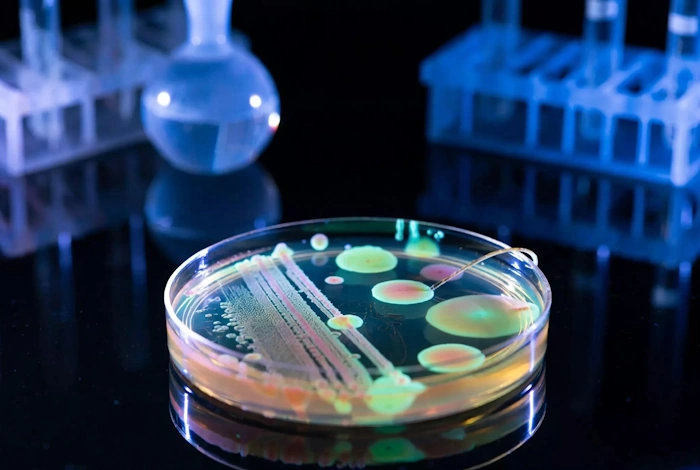
If you want to study bacteria, you have to catch them and grow them. You can’t just put them in a cage. You need a Petri Dish filled with Nutrient Media.
Think of Nutrient Media as “food” specifically designed for germs.
The Main Ingredient: Agar-Agar
- What is it? A jelly-like substance made from seaweed (red algae).
- Why use it? Most bacteria can’t digest it, so it stays solid. It provides a perfect, flat surface for bacteria to sit on and multiply.
The “Goldilocks” Requirements
Just like you, bacteria are picky eaters. For the media to work, it must be perfect:
- Nutritious: Must contain protein (meat extract), sugar, and water.
- Isotonic: The salt level must match the inside of the bacteria, or they will explode (osmotic pressure).
- pH Balanced: Not too acidic (sour), not too alkaline (soapy). Most like a pH of 7.2–7.6.
- Sterile: The food must be cooked (autoclaved) to kill any other bacteria before you start. It means, that you need to cook it with high temperature for quiet a while.
Types of “Menu Items”
- Simple Media: Meat broth. (Like a basic soup). Good for common bacteria.
- Elective Media: Food that only one type of bacteria likes. (e.g., extremely salty food that only Staph bacteria can eat). This helps you isolate a suspect.
- Differential Media: Food that changes color. For example, Endo Agar turns red if the bacteria eating it can digest lactose. It helps doctors identify E. coli.
Part 5: The Pure Culture (Isolation)
In nature, bacteria live in mixed crowds. A drop of saliva has hundreds of different species mixed together. To study them, we need a Pure Culture—a population of just one species.
How do we separate them? The Streak Plate Method
Imagine you have a paintbrush dipped in paint.
- You drag it across a piece of paper. The line is thick.
- You drag it again without dipping. The line gets thinner.
- By the 4th drag, you are leaving individual dots of paint.
This is exactly how microbiologists isolate bacteria using a tool called a Loop.
- Step 1: Dip the loop in the bacteria mix.
- Step 2: Streak it across the top of the Agar jelly. Millions of bacteria are deposited.
- Step 3: Burn the loop to clean it (Sterilize).
- Step 4: Drag the loop through the first streak and spread it to a clean area.
- Step 5: Repeat. By the end, individual bacteria cells fall off the loop.
The Result: A Colony
When that single bacteria cell sits on the jelly overnight, it divides… and divides… and divides. By morning, there is a visible pile of millions of clones. This pile is called a Colony. Every cell in that colony is identical. We have successfully isolated a Pure Culture!
Teacher’s Note: The Discovery of Agar
Before Agar, scientists tried to grow bacteria on slices of potato or gelatin. But potatoes rot, and gelatin melts on hot days (or the bacteria eat it!). Fanny Hesse, the wife of a researcher in Robert Koch’s lab, suggested using Agar. She used it to make fruit jellies in her kitchen. It revolutionized science because it stays solid even at high temperatures!
Summary of Key Terms
- Microbe: Any organism too small to see with the naked eye.
- Eukaryote: A cell with a nucleus (Fungi, Protozoa, Humans).
- Prokaryote: A cell without a nucleus (Bacteria).
- Pathogen: A microbe that causes disease.
- Agar: A seaweed extract used to solidify nutrient media.
- Colony: A cluster of identical bacterial cells that have multiplied to form a visible growth on a culture plate.
🎓 Quiz: Microbiology Basics
1. Which of these microorganisms is a “Prokaryote” (has no nucleus)?
- A) Fungi
- B) Bacteria
- C) Protozoa
- D) Algae
👉 Click to check answer
Bacteria are simple cells with no internal walls around their DNA.
2. Why are Viruses considered “not alive” by many scientists?
- A) They are too small
- B) They are made of plastic
- C) They cannot reproduce without hijacking a host cell
- D) They do not have DNA
👉 Click to check answer
They lack the machinery to eat or multiply on their own.
3. What is “Agar” used for in the lab?
- A) To kill bacteria
- B) To dye bacteria red
- C) To make the nutrient media solid (jelly-like)
- D) To feed the viruses
👉 Click to check answer
It provides a surface for bacteria to grow on.
4. Which branch of microbiology studies the “Good Germs” used to make yogurt and antibiotics?
- A) Medical Microbiology
- B) Technical/Biotechnology Microbiology
- C) Sanitary Microbiology
- D) Veterinary Microbiology
👉 Click to check answer
This branch uses microbes as “factories” to create products.
5. What is a “Pure Culture”?
- A) A mix of healthy bacteria
- B) Bacteria grown in clean water
- C) A population of only one single species of bacteria
- D) Bacteria that have been washed with soap
👉 Click to check answer
Scientists need pure cultures to study specific traits without interference.