Microbiology
The Invisible Universe: Introduction to Microbiology
This microbiology lesson introduces microbes such as bacteria, fungi, viruses, and protozoa, and explains how to grow them using agar, nutrient media,…
Start lesson →The Microscopic Cities Inside Us: A Deep Dive into Animal, Plant, and Fungal Cells
This lesson explores how animal, plant, and fungal cells function as microscopic “cities,” sharing core eukaryotic machinery but evolving very different architectures…
Start lesson →Bacterial Physiology: Growth and Reproduction of Bacteria
This lesson reveals bacterial reproduction via binary fission and exponential growth phases (lag, log, stationary, death), with interactive simulations showing nutrient limits.…
Start lesson →Microbial Genetics: Plasmids, Gene Swapping & the Biotech Revolution
This lesson explores bacterial genetics through ring chromosomes, mobile plasmids (R, F, Col), and rapid evolution via horizontal gene transfer—conjugation, transformation, transduction—far…
Start lesson →General Virology: What Are Viruses, Are They Alive Or Not?
Viruses are acellular particles that blur the line between life and non-life, requiring host cells to reproduce via attachment, entry, replication, assembly,…
Start lesson →The Science of Infection: A Biological Battlefield
This lesson explains infections as pathogen invasion leading to disease, covering pathogen types, infection stages (incubation-prodromal-peak-outcome), epidemiology (endemic/epidemic/pandemic), transmission routes, virulence factors,…
Start lesson →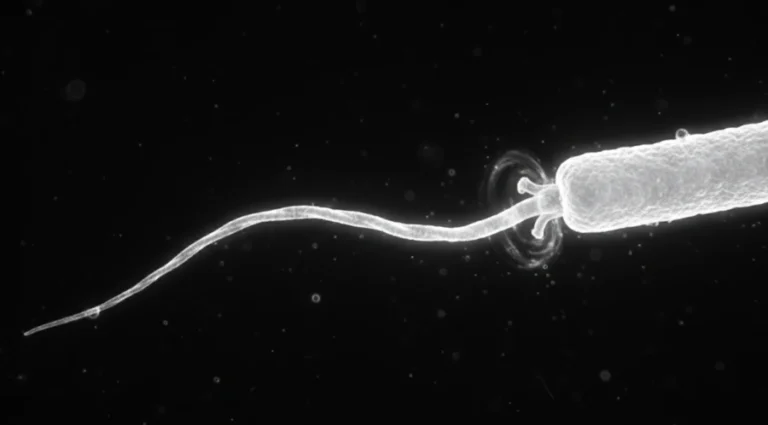 Article
What is Flagella? Amazing facts and functions
Imagine a microscopic world where cells zip around like tiny boats, powered by whip-like structures that act as both engines and rudders.…
Read article → Article
Water lake bacteria: can it be dangerous?
Every time you gaze across the tranquil surface of a lake, you’re looking at one of nature’s most complex and dynamic ecosystems.…
Read article →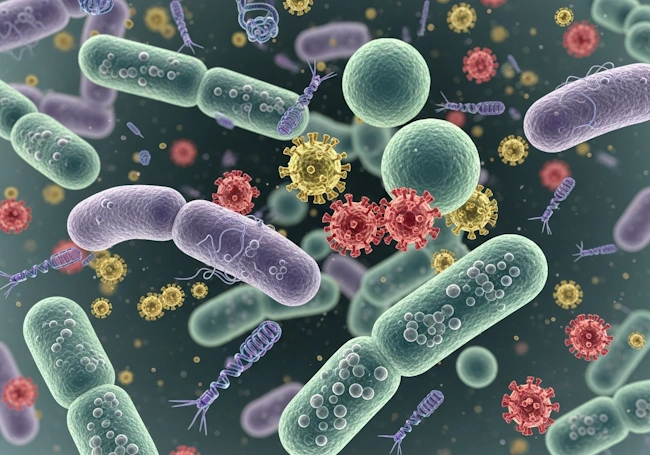 Article
What is the difference between viruses and bacteria?
Imagine two tiny troublemakers so small that millions could fit on the period at the end of this sentence. Both can make…
Read article → You’ll discover what is microbiology, why learning microbiology feels like unlocking a secret code to life itself, and all the amazing things you can do once you start exploring this invisible universe.
What Is Microbiology?
It is the thrilling scientific study of microorganisms — the countless bacteria, viruses, fungi, protozoa, and other tiny life forms invisible to the naked eye. These microscopic marvels live everywhere: floating in the air you breathe, swimming in every drop of pond water, thriving deep inside your gut, and even surviving in boiling hot springs or freezing Antarctic ice. Microbiologists don’t just stare at them through lenses — they uncover how these tiny beings eat, reproduce, fight, cooperate, and completely change the world. They recycle nutrients, produce oxygen, help make your favorite foods, and sometimes cause illnesses that scientists work hard to outsmart. Far from being scary “germs,” microbes are the original masters of Earth, powering life for billions of years before humans ever appeared. Picture this: you are never alone. At this very moment, more microbes live on and inside you than there are people on the planet. That’s the magic of microbiology — realizing the smallest things run the show.How the Microscopic World Was Discovered
For most of history, this hidden realm stayed completely unknown. Then in the 1670s, a curious cloth merchant named Antonie van Leeuwenhoek built his own microscopes and became the first human to see “little animalcules” darting in rainwater. Centuries later, Louis Pasteur and Robert Koch proved microbes cause disease and fermentation, changing medicine forever and saving millions of lives.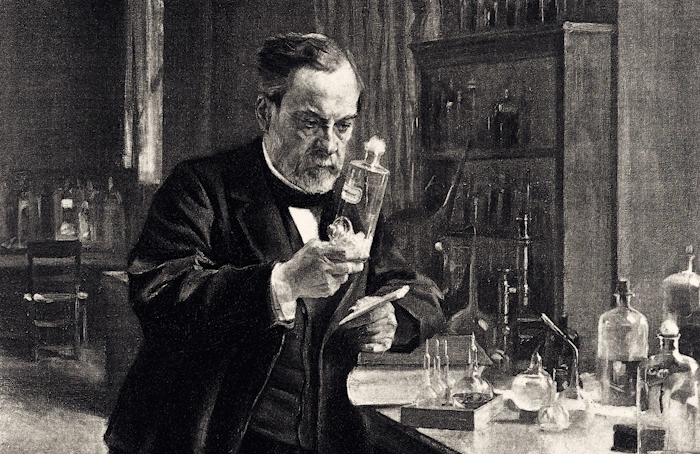 Today, with DNA sequencing and super-powerful microscopes, scientists are mapping entire microbial communities — including the ones living happily in your morning coffee.
Why Learn Microbiology?
Because once you understand these invisible partners, the world suddenly makes so much more sense. Learning microbiology helps you grasp why vaccines work, how your gut affects your mood, why antibiotics sometimes lose their power, and how microbes quietly clean oceans and soil. It builds razor-sharp thinking skills and a deep sense of wonder about how everything connects. Most of all, it shows that even the tiniest life forms can solve huge problems — from fighting climate change to creating new medicines.Microbiology for Beginners: How to Start Right Now
The best part about microbiology for beginners is how easy and exciting it is to jump in. You don’t need a big lab. Grab a simple microscope (or even a cheap clip-on for your phone), scoop some pond water or yogurt, and watch an entire living city explode into view. Try growing bacteria from your fingertips on safe agar plates, bake sourdough to see wild yeast at work, or follow free online experiments that let you explore the microbes in your backyard. Many curious explorers join citizen science projects, sampling air or soil and sending data to real researchers. Every tiny discovery feels like cracking open a new mystery.What Can You Do If You Learn Microbiology?
The possibilities stretch as far as your imagination. As a hobby, you can brew kombucha, make your own cheese, or become the neighborhood microbe detective. If you dive deeper, careers in microbiology are full of real-world impact. You could track outbreaks in hospitals, develop better vaccines, engineer microbes that eat plastic waste, or help farmers grow crops without harmful chemicals. Exciting roles wait in biotechnology, food safety, environmental cleanup, pharmaceuticals, and even space agencies searching for signs of life on Mars. The observation and problem-solving skills you gain travel beautifully into medicine, genetics, data science, and science storytelling too.Mind-Blowing Microbiology Facts
Here are a few facts that still make scientists grin:- Your gut contains more bacteria than stars in the Milky Way, and they help control everything from digestion to your emotions.
- Some microbes can survive being dried out for centuries, then wake up and start growing again.
- Without microbes, there would be no bread, chocolate, wine, yogurt… or even the oxygen we breathe.
- One special bacterium, Deinococcus radiodurans, can survive radiation levels thousands of times higher than what would kill a human.