Why webcaps are so dangerous?
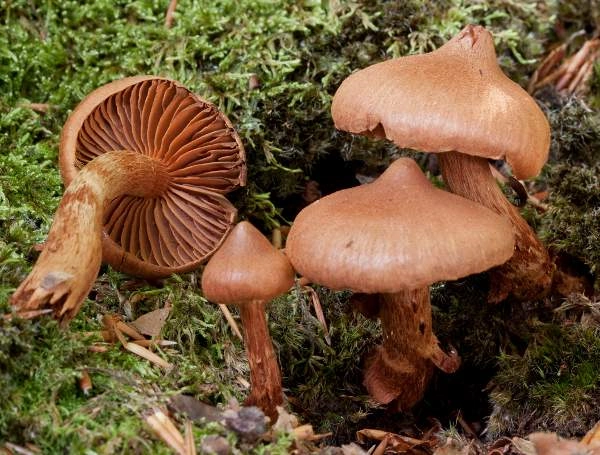
Webcaps, a group of mushrooms belonging to the genus “cortinarius”, are among the most insidious and deadly fungi found in nature. These mushrooms have earned a notorious reputation for causing severe, sometimes irreversible, organ damage -primarily to the kidneys.
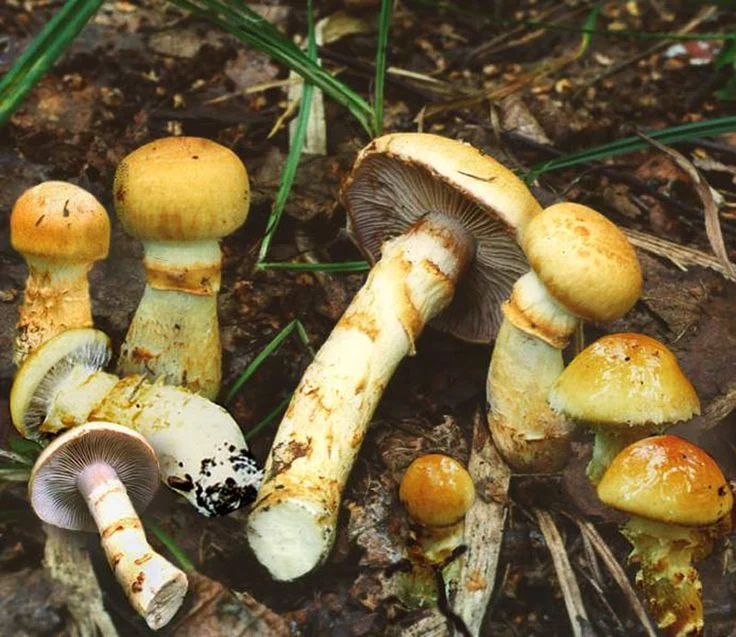
We know that many poisonous mushrooms can cause fast or immediate gastrointestinal distress, but webcaps are particularly treacherous because their toxic effects can take days or even weeks to manifest, leading to delayed diagnosis and treatment.
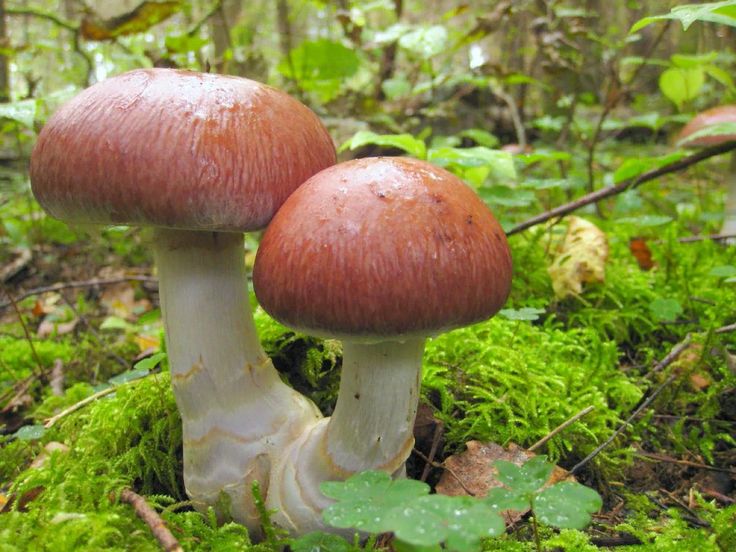
What are webcaps?
Webcaps refer to species within the cortinarius genus, one of the largest groups of mushrooms, with over 2,000 species worldwide. The name “webcap” derives from the cortina—a delicate, web-like veil that partially covers the gills in young specimens and often leaves remnants on the stem as the mushroom matures.
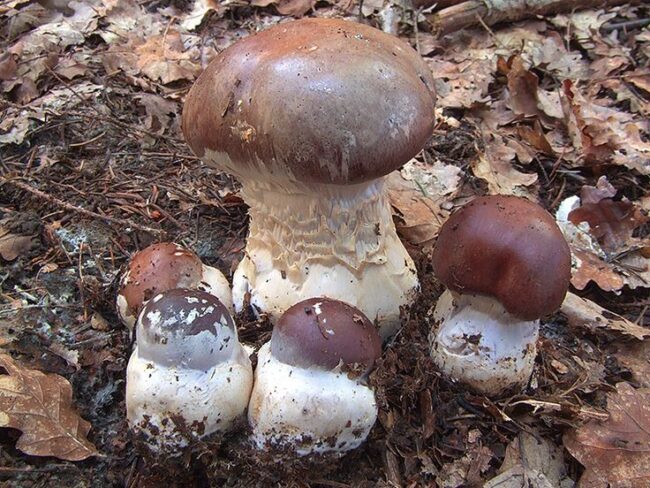
While not all cortinarius species are deadly, a subset known as the Orellani group is highly toxic and responsible for most reported poisonings.
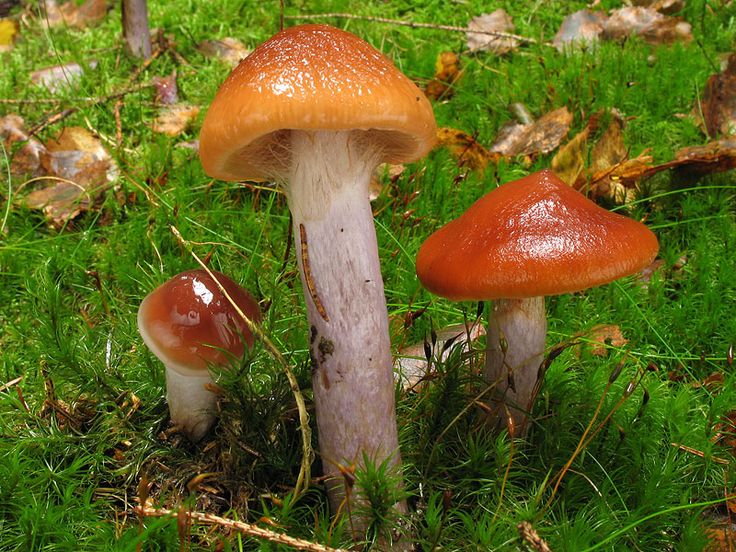
The most infamous species include Cortinarius orellanus (commonly called Fool’s Webcap) and Cortinarius rubellus (Deadly Webcap), along with relatives like Cortinarius speciosissimus and Cortinarius armillatus.
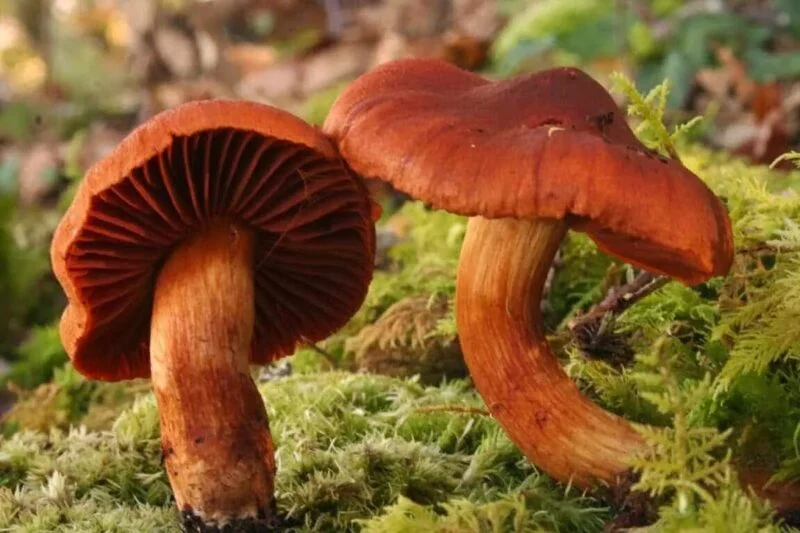
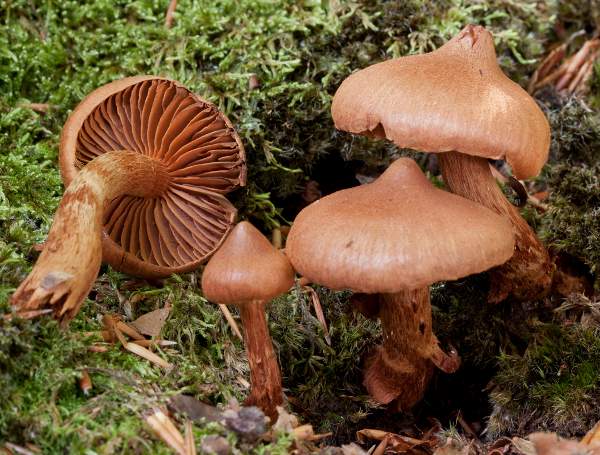
These mushrooms are mycorrhizal, forming symbiotic relationships with tree roots, and are commonly found in coniferous or mixed forests across Europe, North America, and parts of Asia.
They thrive in acidic soils, often under pines, spruces, or birches, and fruit from late summer to autumn.
Historically, webcap poisonings have been documented in Europe since the mid-20th century, with notable outbreaks in Poland during the 1950s where dozens fell ill after mistaking them for edible chanterelles. In North America, cases are rarer but increasing, with confirmed poisonings linked to species like cortinarius orellanosus in Michigan. Accidental ingestion often occurs because webcaps can resemble edible varieties, such as the saffron milk cap (Lactarius deliciosus) or even some boletes, especially to inexperienced eyes.
How webcaps look
Accurate identification is necessary for avoiding webcaps, as they lack the dramatic warning signs like bright colors or foul odors seen in some toxic mushrooms. So Herr is what you should look at:
- Cap: Typically 3-8 cm in diameter, convex to conical when young, flattening with age. The color ranges from orange-brown to reddish-brown or cinnamon, often with a silky or fibrillose texture. In C. orellanus, the cap is a warm orange-brown, while C. rubellus tends toward a deeper red-brown.
- Gills: Rusty brown or cinnamon-colored, attached to the stem, and covered by the cortina in youth. As the mushroom ages, the gills darken and produce brownish spores.
- Stem: 4-10 cm tall and 0.5-1.5 cm thick, often the same color as the cap or paler at the base. It may feature a bulbous base and remnants of the cortina as fibrous zones or rings.
- Flesh: Whitish to pale brown, with no distinctive taste or smell in most cases—another factor contributing to accidental consumption, as they don’t immediately seem off-putting.
- Habitat and season: Found in clusters or singly in forests, especially in northern temperate regions. They appear from July to October.
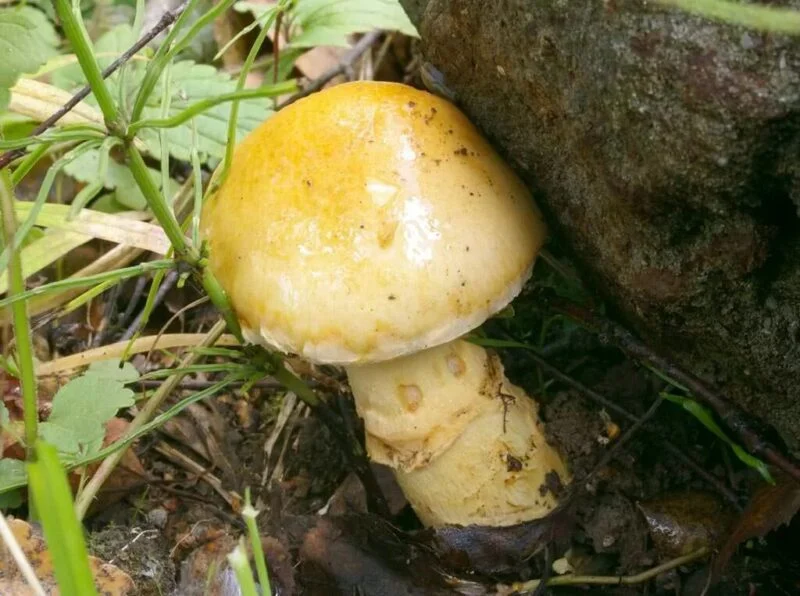
Distinguishing webcaps from edibles requires expertise; for instance, they might be confused with the edible Cortinarius caperatus (gypsy mushroom), but the latter has a more wrinkled cap and lacks the toxic orellanine.
Always consult field guides or experts, and remember: if in doubt, leave it out.
Advanced identification may involve spore prints (rusty brown) or chemical tests, but these are not foolproof for amateurs.
The poison they contain: orellanine
The primary toxin in dangerous webcaps is orellanine (sometimes spelled orellanin), a bipyridine N-oxide compound unique to the Orellani group of Cortinarius species.
This toxin is heat-stable, meaning it isn’t destroyed by cooking, drying, or other preparation methods, making even processed webcaps hazardous.
Orellanine is present in varying concentrations across species, with C. rubellus and C. orellanus containing enough to cause severe poisoning from just a small amount—sometimes as little as 10-20 grams of fresh mushroom.
Discovered in the 1960s following poisoning investigations, orellanine is nephrotoxic, selectively targeting the kidneys. It’s not found in other mushroom genera, which makes webcap poisonings distinct from those caused by amatoxins (in death caps) or muscarine (in other species).
Interestingly, recent research explores orellanine’s potential as a targeted cancer treatment for renal cell carcinoma due to its specificity for kidney cells, but this is experimental and doesn’t diminish its danger in natural contexts.
How the toxin works: Orellanine’s mechanism of action
Orellanine’s mechanism is complex and not fully elucidated, but research indicates it wreaks havoc through oxidative stress and metabolic disruption, primarily in the kidneys.
Upon ingestion, orellanine is absorbed in the gastrointestinal tract and accumulates in renal tubular cells.
Key processes include:
- Generation of reactive oxygen species (ROS): Orellanine produces free radicals, such as superoxide and hydroxyl radicals, which damage cellular components like lipids, proteins, and DNA. This leads to lipid peroxidation, where cell membranes break down.
- Inhibition of protein synthesis: It disrupts RNA polymerase activity, halting the production of essential proteins in both eukaryotic and prokaryotic cells. In kidney cells, this affects tubular epithelium, reducing NADPH levels and impairing the cell’s ability to neutralize oxidative damage.
- Apoptosis and metabolic interference: The toxin induces programmed cell death (apoptosis), alters metal ion binding, and disrupts xenobiotic metabolism, leading to widespread cellular dysfunction. It may also involve active metabolites that amplify toxicity.
The kidneys are hit hardest because orellanine is filtered and reabsorbed there, concentrating its effects.
Liver damage can occur secondarily, but renal failure is the hallmark.
This selective toxicity explains why symptoms are delayed: it takes time for cellular damage to accumulate and manifest systemically.
What a person feels: symptoms after consumption
Webcap poisoning is deceptive due to its latent period, which can range from 12 hours to 14 days (typically 2-3 days), allowing victims to feel fine initially and continue normal activities.
This delay often leads to misdiagnosis as flu or food poisoning from other sources.
Symptoms progress in stages:
- Early phase (latent period): No immediate effects; the person may feel normal for days.
- Gastrointestinal and flu-like onset (2-14 days post-ingestion): Initial signs mimic a viral illness, including headache, fatigue, chills, intense thirst, nausea, vomiting, abdominal pain, and sometimes diarrhea. Muscle aches and back pain (flank pain) may signal emerging kidney involvement.
- Renal phase: As kidney function declines, urine output decreases (oliguria) or stops (anuria), leading to fluid retention, swelling (edema), high blood pressure, and electrolyte imbalances. Victims may experience severe fatigue, confusion, and shortness of breath.
- Advanced stage: Without treatment, acute kidney injury (AKI) progresses to uremia—buildup of waste products causing seizures, coma, or death.
Severity depends on the amount consumed, individual health, and species; even small doses can be fatal. In documented cases, like a 1997 Austrian poisoning, symptoms escalated to renal failure within days.
Long-term effects and consequences
The long-term prognosis for webcap poisoning is grim, with many survivors facing permanent health issues.
Orellanine causes irreversible damage to renal tubules, leading to chronic kidney disease (CKD) or end-stage renal disease (ESRD).
Chronic renal failure
Up to 78% of patients develop AKI requiring dialysis; about 50-70% progress to ESRD, necessitating lifelong dialysis or kidney transplantation. In a Swedish study, 15 of 22 patients needed transplants.
Other complications
Secondary liver damage, hypertension, anemia, and increased infection risk. Neurological effects like cognitive impairment can persist due to uremic encephalopathy.
Mortality and recovery
Fatality rates are 10-20% in treated cases, higher if untreated. Full recovery is rare; even mild cases may leave reduced kidney function.
Treatment involves supportive care: induced vomiting if caught early, activated charcoal, hemodialysis to remove toxins (though orellanine is poorly dialyzable), and antioxidants like N-acetylcysteine to mitigate oxidative damage.
No specific antidote exists.
Prevention and final advice
To avoid webcap dangers, forage only with experts, use multiple identification resources, and err on caution. Educate yourself on local species – webcaps are more common in Europe but started spreading in North America. If poisoning is suspected, seek immediate medical help and provide mushroom samples for identification.
Sources
- ‘Analysis of orellanine and orelline, the poisonous principles of the mushrooms Cortinarius orellanus and Cortinarius speciosissimus’, Toxicon, 24(1), pp. 47-56. Available at: https://www.sciencedirect.com/science/article/abs/pii/0041010186900990
- ‘The structures of orellanine and orelline’, Tetrahedron Letters, 20(21), pp. 1931-1934. Available at: https://www.sciencedirect.com/science/article/abs/pii/S0040403901800780
- ‘Intoxications specifically attributed to mushrooms and toadstools’, Médecine et Maladies Infectieuses, 39(12), pp. 758-769. Available at: https://www.sciencedirect.com/science/article/abs/pii/S0399077X09002363
- ‘Acute renal failure following collective intoxication by Cortinarius orellanus’, Intensive Care Medicine, 16(8), pp. 506-510.
- ‘Human and experimental toxicology of orellanine’, Human & Experimental Toxicology, 35(9), pp. 1016-1029. Available at: https://journals.sagepub.com/doi/full/10.1177/0960327115613845
- ‘Mass poisoning with Cortinarius orellanus Fr.’, Zeitschrift für Pilzkunde, 23, pp. 139-142.
- ‘Long-term clinical outcome for patients poisoned by the fungal nephrotoxin orellanine’, BMC Nephrology, 18(1), article 121. Available at: https://pmc.ncbi.nlm.nih.gov/articles/PMC5379567/
- ‘Analysis of the mushroom nephrotoxin orellanine and its glucosides’, Journal of Natural Products, 75(10), pp. 1690-1696. Available at: https://pubs.acs.org/doi/10.1021/np300135k
- ‘Acute renal failure after intoxication with Cortinarius rubellus: estimation of orellanine by reversed-phase HPLC’, Acta Medica Scandinavica, 216(3), pp. 297-301.
- ‘Cytotoxic fungi—an overview’, Toxicon, 42(4), pp. 339-349. Available at: https://www.sciencedirect.com/science/article/abs/pii/S0041010103001381
- ‘Epidemiology, diagnosis, and treatment of nephrotoxic mushroom poisonings’, Journal of Urology and Research, 9(1), article 11585. Available at: https://www.jscimedcentral.com/journal-article-info/Journal-of-Urology-and-Research/Epidemiology%252C-Diagnosis%252C-and–Treatment-of-Nephrotoxic–Mushroom-Poisonings-Running–Title%253A-Nephrotoxic-Mushroom–Poisonings-11585
- ‘Poisoning by Cortinarius orellanus: detection of orellanine by high performance liquid chromatography’, Néphrologie, 10(1), pp. 1-4.
- ‘Orellanine: From fungal origin to a potential future cancer treatment’, Journal of Natural Products, 86(4), pp. 1128-1139. Available at: https://pubs.acs.org/doi/10.1021/acs.jnatprod.2c01068
- ‘The fungal nephrotoxin orellanine simultaneously increases oxidative stress and down-regulates cellular defenses’, Free Radical Biology and Medicine, 46(11), pp. 1562-1571. Available at: https://www.sciencedirect.com/science/article/abs/pii/S0891584909001387
- ‘Novel methods for identification and quantification of the mushroom nephrotoxin orellanine. TLC, photographic densitometry, and peculiar toxicity of rusty Cortinarius species’, Journal of Chromatography A, 758(1), pp. 145-157. Available at: https://www.sciencedirect.com/science/article/abs/pii/S0021967396007684
- ‘Mushroom poisoning caused by species of the genus Cortinarius Fries’, Evolutionary Ecology Research, 9(6), pp. 1073-1087. Available at: https://www.researchgate.net/publication/226079312_Mushroom_Poisoning_Caused_by_Species_of_the_Genus_Cortinarius_Fries
- ‘Toxic properties of the mushroom Cortinarius orellanus. I. Chemical characterization of the main toxin of Cortinarius orellanus (Fries) and Cortinarius speciosissimus (Kuhn & Romagn) and acute toxicity in mice’, Archives of Toxicology, 62(1), pp. 81-88. Available at: https://link.springer.com/article/10.1007/BF00316260
- ‘Toxic properties of the mushroom Cortinarius orellanus (Fries): Characterization of the main toxins’, Mycologia, 80(4), pp. 590-596.
- ‘Inhibition of RNA synthesis by orellanine, a toxic principle of the mushroom Cortinarius orellanus’, Toxicon, 33(11), pp. 1497-1507. Available at: https://www.sciencedirect.com/science/article/abs/pii/0041010195000910
- ‘Mushroom poisoning caused by Cortinarius speciosissimus’, Archives of Toxicology, 53(1), pp. 87-106. Available at: https://link.springer.com/article/10.1007/BF00302706
- ‘End-stage renal failure from mushroom poisoning with Cortinarius orellanus: report of four cases and review of the literature’, American Journal of Kidney Diseases, 30(2), pp. 282-286. Available at: https://www.ajkd.org/article/S0272-6386(97)90065-0/abstract
- ‘Deadly webcap mushroom (Cortinarius rubellus) – Deadly toxic’, Totally Wild UK, 22 August. Available at: https://totallywilduk.co.uk/2024/08/22/deadly-webcap-mushroom/
- ‘Mushroom poisoning: A study on circumstances of exposure and patterns of toxicity’, European Journal of Internal Medicine, 41, pp. 39-46.
- ‘Mushroom poisoning’, Deutsches Ärzteblatt International, 108(3), pp. 31-35. Available at: https://pmc.ncbi.nlm.nih.gov/articles/PMC7868946/
- ‘Evaluation of orellanine-induced toxicity from the mushroom Cortinarius orellanus in human renal cell lines and in a rat model’, Toxicon, 212, pp. 54-62. Available at: https://www.sciencedirect.com/science/article/abs/pii/S0041010122001209